
TL;DR: Social media marketing works, but only when you measure the right things. There are 5.24 billion social media users worldwide (DataReportal, 2025), meaning your audience is there. The brands that fail do so by chasing follower counts instead of traffic and leads, posting inconsistently, or spreading across too many platforms at once. Pick one or two platforms where your buyers actually are, commit to a sustainable cadence for at least six months, and track referral traffic and conversions, not likes.
Social media marketing generates more questions per dollar of budget than almost any other channel. That’s not a criticism, it’s a reflection of how fast things change. The platforms driving real B2B results in 2021 aren’t the same ones doing it in 2026. The posting frequencies that worked have shifted. The metrics that matter have evolved.
This guide covers 30 of the questions we hear most often, organized by topic rather than arbitrary numbering. Every statistic is sourced. Where the honest answer is “it depends,” we’ll tell you what it depends on.
In This Guide
What Is Social Media Marketing?
Q1. What is social media marketing?
Social media marketing is using platforms like LinkedIn, Instagram, Facebook, TikTok, and YouTube to build audiences, generate leads, and drive sales, by publishing content, running ads, and engaging directly with the people who buy from you.
What distinguishes it from other digital channels is the bidirectional relationship. A customer can reply to your post, share it with their network, or leave a public review before you know it happened. Each platform has its own algorithm, audience demographics, content norms, and ad infrastructure. LinkedIn is not Instagram. TikTok is not Facebook. Treating them as interchangeable is one of the most common strategic errors we see.
Related: Why social media matters for B2B organizations, including the lead generation and trust-building case for business buyers specifically.
Q2. How does social media differ from traditional advertising?
Traditional advertising is a broadcast. You pay for placement, push a message out, and measure reach and frequency. Social media is a conversation channel, or at least it should be.
The practical difference is accountability. A poorly-handled customer complaint on X can be screenshot and circulated for years. A well-handled one becomes a public demonstration of your brand character, visible to every person who later searches your name. Neither outcome is possible with a billboard. Traditional media reaches audiences; social media reveals brands.
There’s also a targeting advantage that traditional media can’t match. Meta’s ad platform lets you reach people by job title, household income, recent purchase behavior, and life events. LinkedIn targets by company size, seniority, and industry vertical. TV buys reach age demographics at best.
Q3. Can social media marketing really help my business?
Yes, but “help” looks different depending on what you’re measuring. There are 5.24 billion social media users worldwide (DataReportal, 2025). Your audience is on social media. The question is whether they can find you there, and whether what they find gives them a reason to engage.
The businesses that don’t see results share one of three patterns: they measure vanity metrics (follower counts, likes) instead of traffic and leads; they post inconsistently and quit before compounding results kick in; or they try to be present on every platform simultaneously and do all of them poorly. For a deeper look at why social specifically deserves investment for business-to-business brands, see why social media matters for B2B. Social media is not a quick-win channel. It’s a long-term investment that pays compounding returns, if you treat it that way.
Strategy, ROI & Getting Started
Q4. What are the benefits of social media marketing for my company?
The most immediate benefit is reach. 5.24 billion people use social media globally, and paid social lets you narrow that audience to the specific buyers most likely to convert. But the sustainable benefits are less about volume and more about relationship depth.
- Precision targeting: Meta lets you target by job title, income, and purchase behavior. LinkedIn targets by company size, seniority, and industry. No other channel offers this granularity at scale.
- SEO signal: Social sharing drives referral traffic, which signals relevance to search engines. High-performing social content indirectly supports organic rankings. See our guide on the future of SEO for how social signals fit into a long-term organic strategy.
- Real-time customer intelligence: Monitor what your customers, prospects, and competitors are saying, without paying a market research firm, every day.
- Customer service at scale: 78% of consumers say they’re more willing to buy from brands they’ve had a positive social media interaction with (Sprout Social, 2025).
- Competitive intelligence: Your competitors’ customers complain publicly on social. That data, what they dislike, what they wish the product did, is free and updated daily.
Q5. How should companies measure their social media marketing success?
Three numbers matter: traffic, leads, and customers. Follower count is not one of them. Vanity metrics feel good but don’t tell you whether social media is producing revenue. The metrics that do:
- Referral traffic: Social media sessions in Google Analytics, month over month.
- Conversion rate: Of social visitors, what percentage complete your key action (demo request, purchase, signup)?
- Cost per lead: Total social spend (time + money) divided by leads generated.
- Engagement rate: Interactions divided by reach, a proxy for content quality, not a business outcome in itself.
A brand with 5,000 highly engaged followers regularly outperforms one with 50,000 passive ones. Build toward depth, not width.
Q6. How much does social media marketing cost, and what’s the ROI?
Social media is never free. The labor cost alone, whether it’s your time, an employee’s, a freelancer’s, or an agency’s, is real money. Here’s an honest breakdown:
| Model | Typical Cost | Best For |
|---|---|---|
| In-house manager | $50K–$80K/year | Brands with deep product knowledge requirements |
| Freelancer | $1,500–$5,000/month | Small businesses, 1–2 platforms |
| Agency (full service) | $3,000–$15,000/month | Multi-platform, multi-format management |
| Ad spend (Facebook/Instagram) | $5–$15 CPM | Consumer awareness and retargeting |
| Ad spend (LinkedIn) | $50–$100 CPM | B2B lead generation, precise targeting |
ROI depends entirely on your product, conversion rate, and average deal size. A $100K B2B contract converts differently than a $50 e-commerce purchase. Anyone who promises a specific ROI number before understanding those variables is estimating, not guaranteeing.
Q7. How can I get started when I’m not familiar with social media marketing?
The single most effective thing you can do when starting out is choose one platform, not five. The instinct to be everywhere at once produces five mediocre presences instead of one strong one. Pick the platform where your buyers spend time and do it well before expanding.
A practical starting framework:
- Define your audience first: B2B decision-makers → LinkedIn. Consumers aged 18–35 → Instagram or TikTok. Broad consumer with paid budget → Facebook.
- Audit what you already have: Blog posts, customer emails, FAQs, case studies. Repurpose before creating from scratch, most companies have more source material than they realize.
- Complete your profile fully: An incomplete profile signals an inactive or unserious brand. Fill in every field.
- Commit to a frequency you can sustain for six months: One quality post per week outperforms three posts per week that stop after four weeks.
- Connect Google Analytics with UTM parameters on day one: You’ll have attribution data when you need it, rather than wishing you’d set it up earlier.
Q8. Which social media platforms should my business have a presence on?
The platforms where your customers spend time, not the ones your competitors happen to be on, and not the ones generating media coverage this quarter. Platform choice comes down to two variables: audience and goal.
- LinkedIn: Non-negotiable for B2B. 80% of B2B social leads originate here.
- Instagram: Strongest for B2C product brands, lifestyle, and audiences under 44.
- TikTok: High organic reach, primarily under-40 audience, video-only format.
- Facebook: Best for paid advertising to broad consumer audiences and community groups.
- YouTube: Long-term SEO benefit, high-trust educational content, product demos.
The worst strategy is five thin, undermaintained presences. One strong platform presence, consistent content, active community management, clear brand voice, outperforms scattered mediocrity every time. For more on platform selection specifically for B2B, see our breakdown of B2B social media marketing strategies by platform and audience type.
Platform Selection Guide
Platform Comparison: Which Platform Is Right for Your Business?
| Platform | Monthly Active Users | Primary Audience | Best For | Top Format | Avg. Organic Engagement | Posting Frequency |
|---|---|---|---|---|---|---|
| 3.22B | 25–54, broad | Paid ads, Groups, retargeting | Video, photos | 0.07% | 3–5x/week | |
| YouTube | 2.85B | All ages | Education, demos, SEO | Long-form + Shorts | N/A (views) | 1–2x/week |
| 2.00B | 18–44, visual | B2C brand, influencer, shopping | Reels, Stories | 0.47% | 4–7x/week | |
| TikTok | 1.70B | Under 40 | Viral brand awareness, B2C | Short video | 2.65% | 3–7x/week |
| 1.00B members | Professionals, B2B | Lead gen, thought leadership | Carousels, articles | 0.35% | 3–5x/week | |
| X / Twitter | ~550M | News, media, tech | PR, brand voice, earned media | Text, threads | 0.03% | 1–3x/day |
| Threads | 275M | Instagram users | Brand voice, early-mover reach | Text, casual | Early-stage | 1–2x/day |
Sources: Meta Q3 2025, Google 2025, Statista 2025, LinkedIn 2025, RivalIQ Benchmark Report 2025, X Corp 2024
Q11. How should we use Facebook for marketing?
Facebook has 3.22 billion monthly active users (Meta, Q3 2025), the largest user base of any social platform. But organic reach for brand pages has declined to 2–5% of your own followers. The organic opportunity is largely gone. Plan around paid.
Where Facebook still clearly delivers: paid advertising. Its targeting infrastructure, built from two decades of user behavioral data, remains the deepest of any consumer ad platform. Facebook Groups can generate genuine community engagement that brand pages never could. And retargeting website visitors through Facebook’s Pixel is among the most cost-effective conversion tactics available for e-commerce brands.
Q12. How should we use X (formerly Twitter) for marketing?
X has approximately 550 million monthly active users (Statista, 2024). Its median organic engagement rate is 0.03%, the lowest of any major platform (RivalIQ, 2025). Those numbers warrant an honest conversation about where X belongs in your strategy.
X is a real-time platform that rewards speed, strong opinions, and cultural relevance. For B2B brands it’s most valuable for thought leadership and industry commentary, building journalist and media relationships, and responding to brand mentions quickly. Don’t expect it to drive leads directly. Use it to shape perception, stay visible in news cycles, and demonstrate brand character through how you engage publicly.
Q13. How should we use LinkedIn for marketing?
LinkedIn has over 1 billion members and generates 80% of all B2B social media leads (LinkedIn Business, 2025). 65% of B2B marketers say it delivers the highest ROI of any social platform. Those aren’t incremental advantages, they’re structural ones rooted in the fact that LinkedIn is where professionals go to learn and make career decisions, including purchase decisions.
The most effective LinkedIn content formats, in order: executive thought leadership posts (they reach far wider audiences than brand page posts), carousels (high engagement because users scroll through them like micro-presentations), LinkedIn Newsletters (subscribers receive direct inbox notifications, bypassing the algorithm, a meaningful distribution advantage in a crowded feed), and long-form articles for authority building and SEO benefit.
Q14. How should we use Instagram for marketing?
Instagram has 2 billion monthly active users globally (Statista, 2025) and an average organic engagement rate of 0.47%, the second highest of any major platform (RivalIQ, 2025). Reels consistently outperform static posts and Stories for reach, largely because they’re surfaced to non-followers through the Explore feed.
Instagram is strongest for B2C brands where visuals drive the message: product photography, behind-the-scenes content, influencer partnerships, and short tutorials. Instagram Shopping makes it a viable direct conversion channel, not just a brand awareness play. For B2B companies, Instagram’s primary value is employer branding and culture, not lead generation.
Q30. What lesser-known platforms should I consider for marketing?
Note: A prior version of this post listed TikTok here. With 1.70 billion users, TikTok is the fourth-largest social platform globally, it belongs in mainstream strategy, not as an afterthought.
- Threads (275M+ monthly active users): Meta’s text platform still offers higher organic reach than X for many accounts, and its algorithm actively favors early-mover content. If you’re already on Instagram, your profile syncs automatically.
- Bluesky: Decentralized, with a growing journalist and media-professional user base. If earned media and PR are business priorities, establishing a presence while the audience is still accessible makes tactical sense.
- LinkedIn Newsletters: Not a separate platform, but consistently overlooked. Newsletter subscribers receive direct inbox notifications, not just algorithmic feed appearances. For B2B content distribution, this is a structural advantage worth building.
- Reddit: The best platform for product research communities. People turn to subreddits to ask unfiltered questions about tools and vendors. Monitor your category. Contribute genuinely before any promotional intent.
- Discord: Strong for SaaS companies building power-user communities. You control server structure, channels, and moderation, more brand control than Reddit, similarly engaged audience. Understanding the six elements that make communities form and stick determines whether a Discord server stays active or goes quiet.
Content, Video & Posting Strategy
Q9. Does my company really need a blog for social media marketing?
Yes. B2B companies that blog generate 67% more leads per month than those that don’t (DemandMetric, 2024). That statistic alone justifies the effort, but the operational reason is equally compelling.
Social media needs something substantive to promote. You can post quotes and behind-the-scenes content for a while. But audiences eventually need evidence of expertise, not just assertions of it. One 1,500-word blog post becomes a LinkedIn carousel, three Twitter/X threads, five LinkedIn updates, an email newsletter section, and an Instagram caption series, all without starting from scratch. Without a content foundation, social defaults to promotional posts, which perform poorly and erode trust over time.
Q15. Is video important for social media marketing?
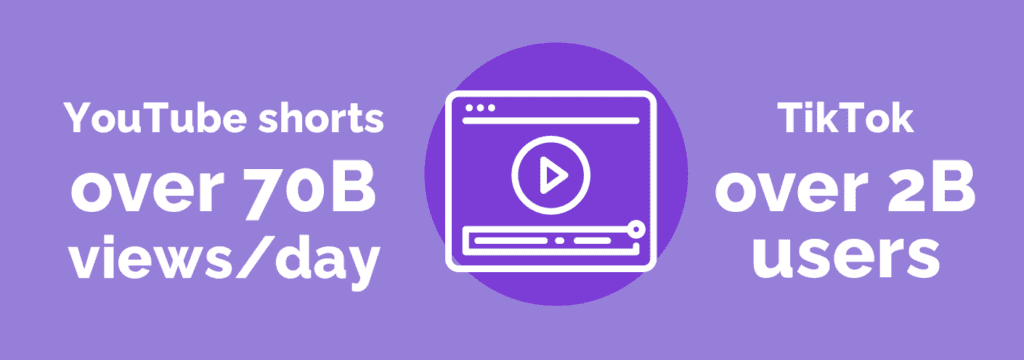
Video is the fastest-growing format on every major platform. YouTube has 2.85 billion logged-in monthly users, with 500 hours of content uploaded every single minute (Google, 2025). YouTube Shorts receives 70 billion daily views (Google, 2024).
TikTok reached 1.70 billion users in 2025 (Statista, 2025). Its influence restructured how every other platform treats content, Instagram Reels, YouTube Shorts, LinkedIn video, and Facebook Reels all exist because TikTok proved that algorithm-surfaced short-form video drives dramatically higher engagement than static posts.
The strategic question isn’t whether to produce video. It’s which format fits your production capacity and audience. A polished 10-minute YouTube tutorial serves a different purpose than a 30-second LinkedIn video filmed on a phone. Both can work. Neither works if you can’t produce it consistently.
Q19. What type of social media content converts best?
Content that answers a specific question your audience is actively trying to answer. “Post valuable content” is accurate but useless without more precision. Formats with strong conversion data, organized by purchase stage:
- Awareness: Short video (Reels, TikTok, YouTube Shorts), trend participation, educational carousels
- Consideration: Comparison posts (“X vs Y” frames a decision your prospect is already making), how-to content that teaches a skill requiring your product
- Decision: Customer case studies with specific results, user-generated content (79% of consumers say UGC impacts their purchasing decisions), FAQ posts that address objections directly
Platform matters. LinkedIn carousels drive B2B leads. Instagram Reels drive product discovery. YouTube drives consideration for high-ticket purchases. TikTok drives viral brand awareness. The same piece of content repurposed without adaptation will underperform on most platforms. Adapt the format, not just the copy.
Q26. How can I create content that stands out on social media?
Show something real. The most-shared content on social media reveals process, mistakes, and specifics, not polished brand messaging. There’s a reason “how we grew from zero to X” outperforms “10 tips to grow your business” every time: one promises a discovery, the other promises a list.
Four content approaches we’ve seen consistently outperform everything else across B2B brands:
- Original data: Publish proprietary findings nobody else has. Survey your customers. Share your own results. Data-backed posts earn 3x more backlinks and shares than opinion posts, because there’s something original to cite.
- Strong, specific opinions: “Here’s what most companies get wrong about [topic]” outperforms “Here are some tips about [topic].” Contrarian framing triggers engagement because it invites debate.
- Specificity in every claim: “We grew LinkedIn engagement 340% in 6 months by doing one thing” outperforms “grow your LinkedIn.” The specificity signals credibility and makes the promise feel concrete.
- Consistency over frequency: Posting 3x per week for 6 months outperforms 15x per week for 3 weeks then burning out. Algorithms favor accounts with stable posting patterns.
Q27. How often should I post on social media?
The right frequency is the highest you can sustain for at least six months without quality declining. Most companies over-post early, burn out, then go dark, which is more damaging than a slower, consistent schedule from the start.
| Platform | Recommended Frequency | Notes |
|---|---|---|
| X / Twitter | 1–3x per day | High-volume, short-form; real-time engagement rewarded |
| 4–7x per week | Reels daily is viable; static posts 3–4x/week | |
| 3–5x per week | Organic reach low; quality beats quantity here | |
| 3–5x per week | Executive posts outperform brand page posts significantly | |
| YouTube | 1–2x per week | Quality and retention matter far more than volume |
| TikTok | 3–7x per week | Volume helps while you’re building; algorithm rewards active new accounts |
| Threads | 1–2x per day | High organic reach while algorithm still favors early movers |
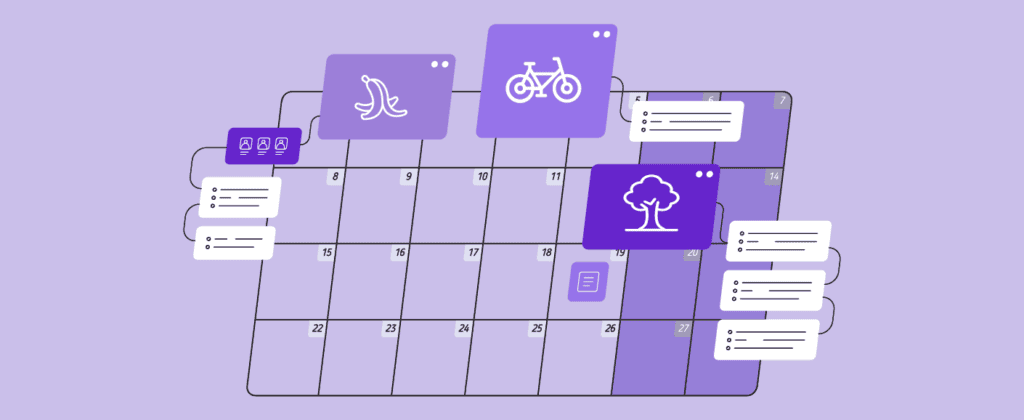
Q29. How can I create a social media content calendar?
Start with your business calendar, not a content template. Companies that fill arbitrary daily themes end up with disconnected, unmotivated content. Build from three inputs:
- Dates that matter to your business: Product launches, events, campaigns, announcements
- Dates that matter to your audience: Industry conferences, regulatory deadlines, seasonal buying patterns
- Recurring content types that fill the gaps: A fixed weekly format (e.g., every Tuesday is a client story) gives you a creative constraint that makes production faster and audiences more predictable
A content mix that works across most B2B brands: 30% promotional (product features, offers, news), 50% educational (how-tos, industry data, expert perspectives), 20% engaging (questions, polls, behind-the-scenes). Schedule 2–4 weeks in advance using Buffer, Hootsuite, or Sprout Social. Leave 20% of your calendar open, reactive content often outperforms planned posts.
Measuring Success & Timelines

Q21. How long before I start seeing results from social media marketing?
Organic social media results take 3–6 months of consistent effort. Paid results arrive faster but require continuous spend to maintain. The honest timeline, broken down by metric:
| Metric | Organic Timeline | Paid Timeline |
|---|---|---|
| Audience / followers | 1–3 months of consistent posting | Days to weeks with promoted posts |
| Website referral traffic | 2–4 months (3–5 posts/week with links) | Immediate with paid campaigns |
| Leads | 4–6 months | 2–4 weeks |
| Customers | Add your sales cycle length to lead timeline | Add your sales cycle length to lead timeline |
The brands that quit at month three never see the compounding effect of an established audience. Social media rewards patience in a way that paid search doesn’t. An audience built over 18 months has more content to discover, more reasons to trust you, and more touchpoints with your product than one built over 3 months.
Q23. Which marketing metrics are the most important to track?
Traffic, leads, and conversion rate. Everything else is context. Specifically:
- Referral traffic from social (Google Analytics): Connect every outbound link with UTM parameters so you can attribute exactly which platform and post drove the visit.
- Conversion rate of social visitors: What percentage complete your target action? Compare this to organic search and direct conversion rates.
- Cost per lead: Total social spend (time + tools + ad budget) ÷ leads generated. The number that determines whether social is cost-competitive with your other acquisition channels.
- Engagement rate: (Likes + comments + shares) ÷ reach. Useful for content optimization decisions, not for reporting business impact.
Common Mistakes & Best Practices

Q10. Is social media marketing better for B2C or B2B businesses?
Both, but the strategy, platforms, content, and success metrics are entirely different. Treating them the same is the mistake.
B2C brands lean into emotional content, viral trends, humor, and user-generated content. The conversion cycle is short. Someone discovers a product on Instagram and buys it that afternoon. Content can be casual, frequent, and trend-responsive.
B2B social is relationship-driven and plays a longer game. LinkedIn generates 80% of all B2B social media leads (LinkedIn Business, 2025), and 65% of B2B marketers say it delivers the highest ROI of any social platform. The goal isn’t to close a deal in a post, it’s to stay credibly visible to prospects who are months away from being ready to buy, so that when they are, your brand is already familiar and trusted. Google’s research on the messy middle of the buying journey explains why that sustained visibility matters before a decision lands.
Q18. Should each department in my company have its own social media initiatives?
Departments can contribute, they can’t operate independently. When Sales, Marketing, HR, and Product all post without coordination, customers encounter four different brand voices, four different value propositions, and sometimes contradictory messages. That confusion is worse than silence.
A workable model: one central social media owner, a person or team, sets brand voice guidelines, manages the publishing calendar, and approves messaging. Other departments contribute raw material: case study details from Sales, product updates from Product, culture content from HR. They don’t publish unilaterally. Consistency of message is more valuable than volume of posts. One coherent voice across 10 posts outperforms four inconsistent voices across 40.
Q22. What are the most common social media marketing mistakes businesses make?
The five that kill most social media programs, in rough order of frequency:
- Going dark: Posting every day for a month, disappearing for three, then reappearing. Algorithms deprioritize dormant accounts. Audiences forget quickly. This is the most common and most fatal mistake.
- Using social as a broadcast channel: Every post is an announcement, product launches, awards, company news. Nobody shares announcements. No one comments on them.
- Ignoring replies and comments: If someone takes the time to comment and you don’t respond, they won’t comment again. Engagement rate reflects how responsive you are, not just how interesting your content is.
- Too many platforms, too little depth: Five thin, unmaintained presences signal inactivity rather than scale.
- Optimizing for vanity metrics: Chasing follower counts and impressions while ignoring traffic, leads, and conversion rates keeps you busy without making you profitable.
Q24. What are some general tips for social media success?
Six things that consistently work, in place of the usual platitudes:
- Post when your audience is online, not when it’s convenient for you. Native platform analytics show peak activity times. Timing affects reach on algorithm-driven platforms more than most people account for.
- Respond to every comment and message within 24 hours. Audiences notice when brands engage and when they don’t. Response time is a brand signal.
- Use descriptive alt text on every image. It’s an accessibility requirement and an SEO signal. Most brands skip it.
- Test one variable at a time, headline, image, CTA, or posting time. Changing multiple variables simultaneously makes it impossible to know what drove any improvement.
- Repurpose before you create. One blog post becomes five LinkedIn updates, a newsletter section, and three Twitter threads. A repurposing workflow multiplies output without multiplying production time.
- Audit quarterly. Review your top 10 and bottom 10 posts by traffic generated. Cut content types that aren’t working, regardless of how much effort went into them.
Community, Outreach & Brand Control
Q16. Is outreach an important part of social media marketing?
Yes. The brands that grow fastest on social aren’t just publishing content, they’re building relationships with other publishers, creators, and subject-matter voices in their industry. Those relationships produce distribution reach that paid advertising can’t replicate at the same cost-to-trust ratio.
Influencer outreach works at every scale. A niche LinkedIn creator with 12,000 followers in your exact industry sector is often more valuable than a lifestyle influencer with 1 million general followers. Audience specificity produces dramatically higher conversion rates than raw reach.
The approach that works: engage genuinely with potential collaborators for 4–8 weeks before reaching out with any pitch. Share their content with a specific, substantive comment (not “great post!”). Then suggest a collaboration, guest post, co-authored article, joint webinar, or podcast appearance. Cold outreach to influencers rarely converts. Relationships built through consistent genuine engagement do.
Q17. How can I use social media to manage my brand reputation?
You can’t control the conversation, but you can be the most credible and responsive voice in it. Brands that attempt to suppress negative content by deleting comments, responding defensively, or going silent typically amplify the problem. The brands that manage reputation well treat every public interaction as a demonstration of character, visible to everyone who reads the exchange.
Four things that work:
- Monitor continuously. Mention, Brandwatch, or Google Alerts catch conversations the moment they happen. Early response is almost always better than delayed response.
- Respond to criticism publicly and quickly. A well-handled complaint is a brand asset. It demonstrates accountability to every person who later reads the exchange.
- Produce enough positive content to outweigh negatives in volume and credibility. You can’t remove negative mentions, but you can fill the surrounding space with authoritative, positive content.
- Don’t engage every piece of bait. Some negative comments are designed to provoke a reaction. Not every one deserves a response. Genuine customer complaints always do. Manufactured outrage often doesn’t.
Q20. How much time should social media marketing realistically take each week?
Less than you think if you’re organized. More than you plan for if you’re not. Most companies underestimate reactive time, responding to comments, monitoring brand mentions, handling customer service inquiries that surface through social channels.
| Business Size | Hours / Week | What’s Included |
|---|---|---|
| Solo / freelancer | 3–5 hours | 1 platform, 3–5 posts, light community management |
| Small business (1–10 employees) | 5–10 hours | 2 platforms, content creation, basic reporting |
| Mid-size (dedicated marketing team) | 15–25 hours | 3–4 platforms, community management, analytics reporting |
| Enterprise | Dedicated headcount | Multi-platform, community, paid, influencer, reporting |
Q25. Is it better to outsource social media marketing or handle it in-house?
There’s no universally correct answer here, and since we’re an agency, you should factor that into how you weigh our perspective. The honest breakdown:
In-house advantages: Deep product knowledge that develops over years. Real-time response capability, you can post about breaking industry news in minutes. Brand voice consistency with full context on internal developments. No handoff friction or contract dependency.
Agency advantages: Established production workflows and tested systems. Dedicated writers, designers, and strategists without full-time salary overhead. Cross-industry pattern recognition from working across multiple client categories. Scalability without hiring or layoffs.
Three questions that determine the right choice for your business: Do you have someone internally with dedicated time, not a secondary responsibility added to an existing role? Is your content technically complex enough to require deep product expertise? What’s your budget, agency retainers typically start at $3,000–$5,000/month for social-only management.
The most common model among B2B companies: an internal owner manages strategy and brand voice, while an agency handles production, distribution, and reporting. This hybrid captures the institutional knowledge advantage of in-house with the execution efficiency of agency.
Q28. How can I build a strong social media community?
Communities form around shared identity, shared problems, or shared goals, not brand announcements. The elements that make communities form and sustain apply whether you’re building on LinkedIn, Reddit, or Discord. The brands with the most engaged communities have one thing in common: they give more than they ask for, and they do it consistently for a long time before it pays off visibly.
- Feature your customers publicly, tag them, share their wins, ask for their opinions on product decisions. People who feel seen become advocates.
- Ask specific questions your audience actually wants to debate, not generic prompts. “What’s your biggest LinkedIn mistake?” outperforms “Share your social media tip!”
- Host recurring events on a fixed schedule, LinkedIn Lives, Twitter/X Spaces, Discord calls. Fixed cadence creates habit. Ad hoc events don’t.
- Only participate in trends that fit your brand naturally. Forced participation reads as desperation. Authentic participation, when it genuinely fits, reads as culturally aware.
One expectation to set honestly: communities take 12–18 months to develop real momentum. The first six months feel like posting into a void. The audience is there, it just isn’t vocal yet. The brands that persist through that period are the ones with real communities three years later.
Pick One Platform. Start This Week.
Social media strategy is one of those areas where thinking too long becomes the obstacle. Every week you spend planning is a week without the data you need to make better decisions. The audience intel, the engagement patterns, the content types that resonate, none of it is accessible from a spreadsheet. It only surfaces when you’re in it.
Start with one platform. Set up UTM tracking before your first post. Commit to a posting frequency for six months. Measure traffic and leads, not followers. That’s the full starting framework. Everything else, platform expansion, paid amplification, influencer outreach, follows from having a foundation that actually works.
Want to build a B2B social media strategy that drives measurable results? Talk to the team at Zen Media, we can help identify which platforms and content mix will move the needle for your specific business and audience.
About the author: Sarah Evans is Partner and Head of PR at Zen Media, a global B2B PR and marketing agency. With 23+ years in communications, she architects PR strategy, drives earned media initiatives, and helps brands navigate AI-driven visibility. She is a regular contributor to Entrepreneur and has been recognized as a top writer on business and tech.