
When was the last time you asked ChatGPT or Perplexity for a vendor recommendation in your own category and checked what came back? That question now sits alongside Google rankings as a core measure of whether your B2B brand is visible to buyers at the moment they are forming opinions. B2B buyers have moved. Their research starts in AI interfaces, continues across search engines, and reaches a sales conversation only after they have already decided which vendors seem credible. The brands winning B2B deals are the ones that appear credible and specific across every surface where buyers look: search results, AI answer interfaces, and the publications their buying committees trust.
I have spent more than 23 years in B2B communications and watched SEO evolve from a technical checkbox to the central credibility infrastructure of how B2B brands get discovered. What the programs that drive pipeline share is consistent: they treat SEO as a credibility system, not a traffic tactic. This guide walks through that system from the ground up, including the layer B2B teams have been slowest to address.
Table of Contents
- Why B2B SEO Differs From B2C
- Start With Who Is Searching
- The Keyword Strategy That Works for Long Sales Cycles
- On-Page Optimization Built for B2B Decision Makers
- B2B Content That Ranks and Builds Pipeline
- Authority Building Where SEO and PR Converge
- Technical SEO for B2B Sites
- How AI Search Platforms Changed B2B SEO
- Measuring B2B SEO Performance
- Frequently Asked Questions
Why B2B SEO Differs From B2C
B2B marketing teams consistently apply B2C logic to buying behavior that functions nothing like consumer purchases. Seventy-six percent of all traffic to B2B websites comes from search engines, making organic search the dominant discovery channel in the category. B2B content programs built around impression targets treat it as a volume game, chasing high-traffic terms with no connection to buying stage.
The reality of B2B buying is structurally different from B2C. An average B2B purchase involves 6 to 10 decision makers, a sales cycle measured in months, and a research process that begins with anonymous search queries long before any vendor hears from a prospect. The person reading your blog post is often an analyst building a business case for a VP who reports to a CFO. Your real job is equipping the searcher to sell your case internally to their buying committee. That reframing changes everything about what content to produce and which keywords matter.
Has your content team spent months producing blog posts that generate solid impressions but never surface in a real sales conversation? The most likely cause is keyword mismatch: the terms targeted bring in category researchers, not decision-stage buyers. B2B SEO done well starts with mapping the full buying committee and working backward to find the search queries each role uses at each stage of their research process.
Start With Who Is Searching
In B2B buying, the person running the initial research and the economic buyer who signs the contract are rarely the same person. The searcher is usually several levels below the final decision-maker, and keyword targets built around the economic buyer miss the person doing the actual research.
Buyer persona research done for SEO purposes has a specific operational job: it tells you which job titles type which queries at which stage of the decision process, so every page you create maps to a specific role’s actual question. The two biggest mistakes: building personas from internal assumptions with no grounding in real search data, and mapping all content to the economic buyer when the real searchers are often their direct reports doing the initial research.
In practice, the top 20 organic pages by traffic in a typical B2B program are almost entirely awareness-stage content. Decision-stage content that maps directly to sales conversations is rarely in that list, and that gap is where pipeline contribution from SEO stalls.
One detail that separates strong B2B SEO programs from weak ones: the job title specificity embedded in the keyword itself. “CRM software for commercial real estate brokers” performs better in conversion than “CRM software” for any company targeting that vertical, despite a fraction of the search volume. Buyers who type specific queries are further along in their research and closer to making contact.
The Intent Signal
Low search volume on a highly specific B2B keyword is a feature. The buyer typing an eight-word query at 11pm has already decided to solve the problem and is now choosing who solves it.
The Keyword Strategy That Works for Long Sales Cycles
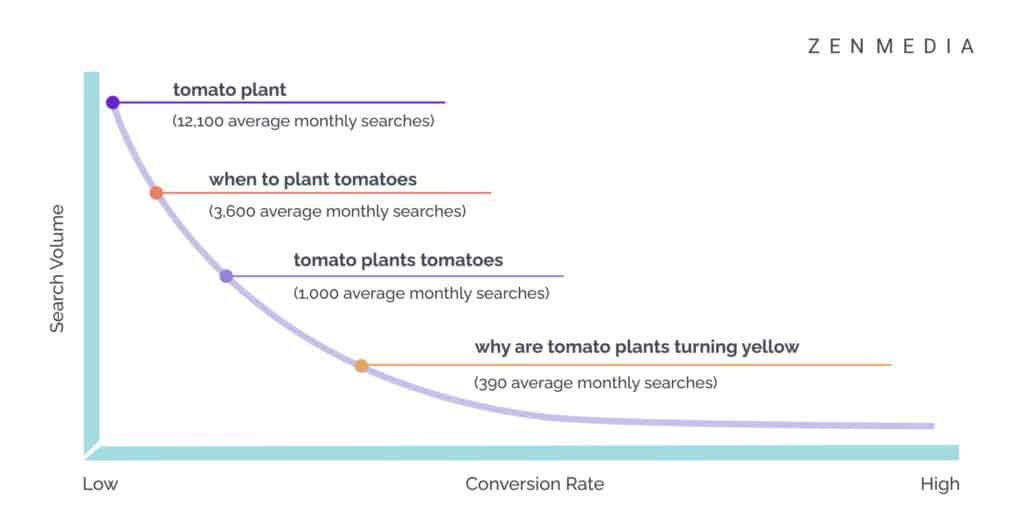
Long-tail keywords are the backbone of effective B2B SEO. A four-or-more-word phrase like “automated invoice approval workflow for mid-market manufacturing” generates a fraction of the monthly searches that “invoice software” produces, but the buyer who types the longer phrase is almost always further along in their research, more qualified, and closer to making vendor contact. When a director of operations types a specific eight-word query at 11pm, they have finished exploring the category and are building a requirements list.
The practical approach to B2B keyword research starts with your core service or product category, then branches into four layers: problem-focused terms (what happens when this problem goes unsolved), solution-comparison terms (your category versus alternatives), feature-specific terms (the precise capability the buyer needs), and company-size or industry modifiers (enterprise, manufacturing, SaaS, healthcare). Each layer targets a different moment in the buying journey and a different title in the buying committee.
Keyword gap analysis is the fastest route to high-value targets your competitors rank for but you do not. Run your domain and your top two competitors through any keyword research tool that supports gap analysis. Filter results by commercial intent and monthly search volume above 50. The terms your competitors rank for that you don’t represent your clearest short-term ranking opportunities, because search demand is proven and competitor rankings confirm Google treats those terms as relevant to your category.
On-Page Optimization Built for B2B Decision Makers
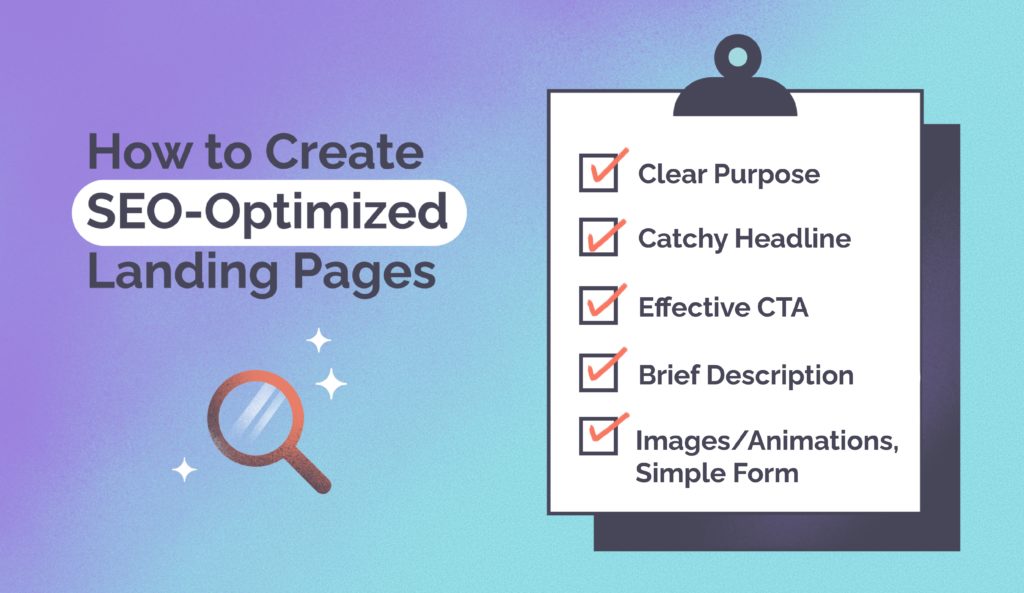
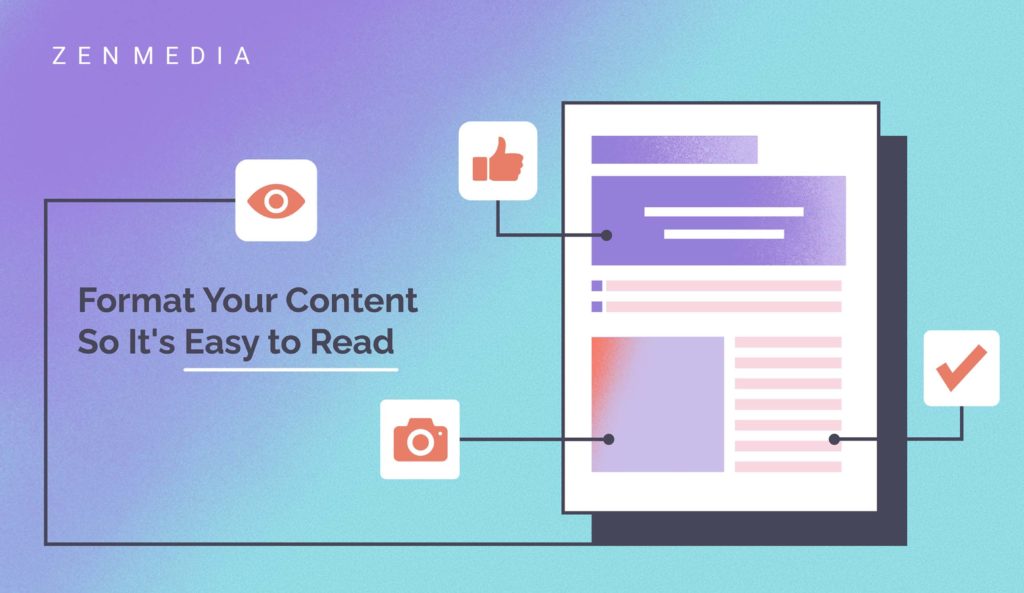
On-page SEO for B2B serves two goals simultaneously: giving Google enough structural signal to categorize and rank the page accurately, and giving the reader enough clarity and credibility to stay past the first scroll. Both goals point in the same direction. A page with a clear H1 matching search intent, organized H2 sections that answer real buyer questions, and a conclusion that connects the content to a specific next step will outperform a keyword-stuffed page on both dimensions.
Title tags carry the most weight in on-page optimization and produce the most common mistakes. Keep them under 60 characters. Lead with the primary keyword. Be specific enough that a buyer knows exactly what the page covers before they click. “Enterprise Document Management System: 2025 Buyer’s Guide” outperforms “Document Management Software | CompanyName” for category researchers, because specificity signals depth and earns the click.
Meta descriptions do not directly affect rankings but heavily influence click-through rate, which shapes how Google perceives demand for your page over time. Write them for the buyer. State the specific benefit the page delivers, then give the reader a reason to prefer this result over the eight others on the same results page. At 150 to 160 characters, you have two sentences. Use both. Your meta description competes against eight other results on the same page; the reader decides in under two seconds, so give them a specific reason to prefer yours.
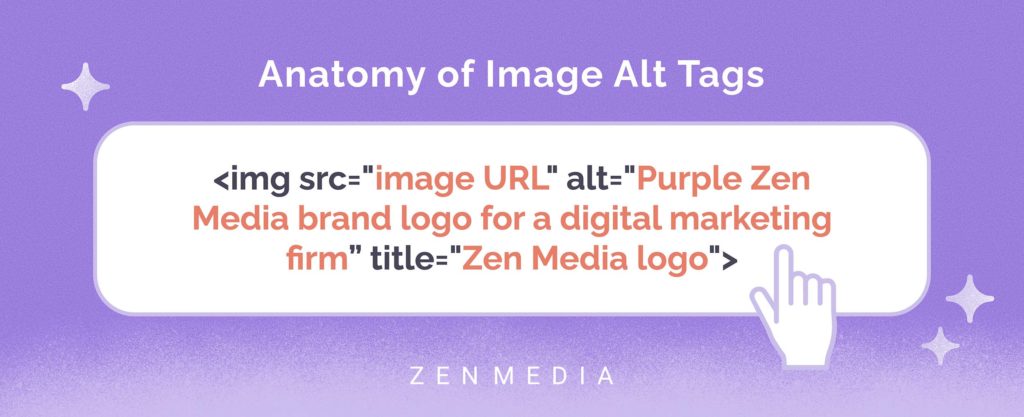
Structured data (schema markup) tells Google the type of content on the page, enables rich results like FAQ dropdowns, and helps AI search systems categorize and cite your content accurately. For B2B, FAQPage schema and HowTo schema deliver the highest value. Every FAQ section you publish should have matching JSON-LD markup. Every process guide with numbered steps qualifies for HowTo markup. These add nothing visible to readers but materially improve how search engines and AI systems process the content. FAQPage and HowTo schema qualify pages for rich results and AI citations with zero visible changes to the page; the implementation cost is low and the eligibility upside is significant.
AI Search vs. Google Organic: Conversion Rate by Platform
Percentage of sessions resulting in a conversion
16.8%
14.2%
12.4%
2.8%
AI-originated traffic converts at up to 6x the rate of Google organic. Source: Averi, March 2026.
B2B Content That Ranks and Builds Pipeline
Content clusters are the architecture Google rewards for B2B SEO at scale. A pillar page covers a core topic comprehensively. Supporting cluster pages cover specific subtopics in depth and link back to the pillar. This architecture signals topical authority to search engines, concentrates internal link equity, and gives buyers a navigable resource regardless of where they enter. A B2B company selling compliance software might build a pillar on “enterprise compliance management” with cluster pages covering HIPAA, SOC 2, audit preparation, and vendor risk, each targeting a distinct long-tail keyword and buyer role.
Take the last five pieces your team published: could a prospect read any of them and walk into a discovery call more informed and more confident than before, or do they primarily exist to fill the editorial calendar?
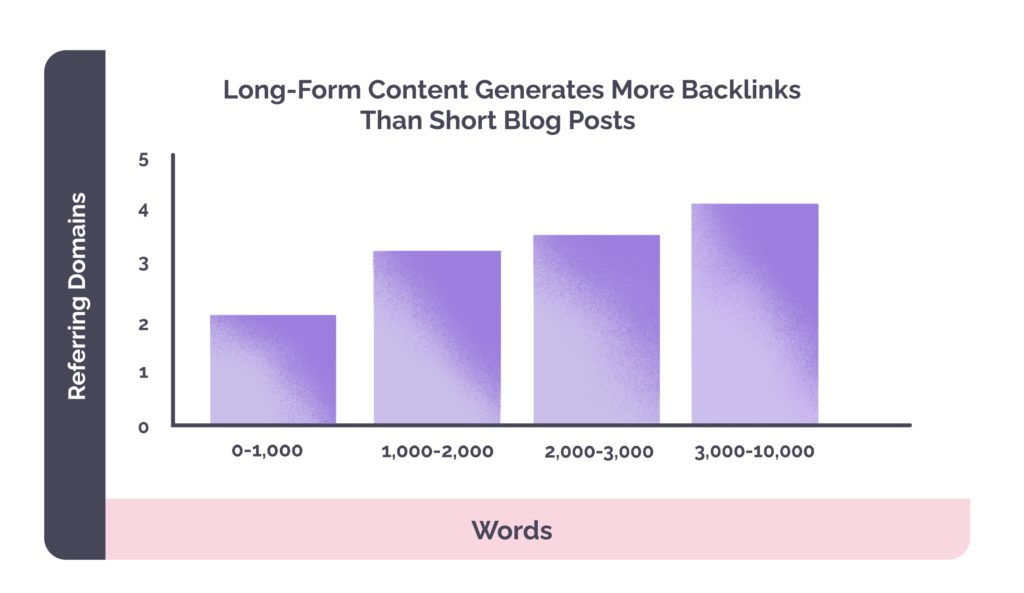
The right depth question in B2B content is whether the page answers every question a qualified buyer would bring to it. A 2,000-word piece that addresses real objections, cost implications, and implementation realities outperforms a 5,000-word piece padded with generic advice. The test: could a prospect read this page and walk into a demo more informed and more confident? If the answer is no, the content needs work regardless of length.
Thought leadership content fills a function in B2B SEO that informational content alone cannot. Buyers want to know whether the team behind the company has a genuine perspective on their industry’s direction. Original research, data-backed positions, and direct takes on where a category is heading all signal expertise that how-to content cannot replicate. From an SEO perspective, thought leadership earns backlinks, gets shared across industry communities, and builds the external citation footprint that AI search systems use to validate brand authority.
What a combined SEO and content strategy delivered for one B2B manufacturer working with Zen Media to reduce marketplace dependency:
One underused B2B content format: FAQ content built directly from the questions buyers ask in discovery calls. These pages target the exact phrasing buyers use, rank well for long-tail queries, and qualify as FAQPage schema markup, which improves both Google rich results and AI citation eligibility. Sales and marketing alignment is the prerequisite: the content team needs to hear directly from sales what buyers ask in discovery calls.
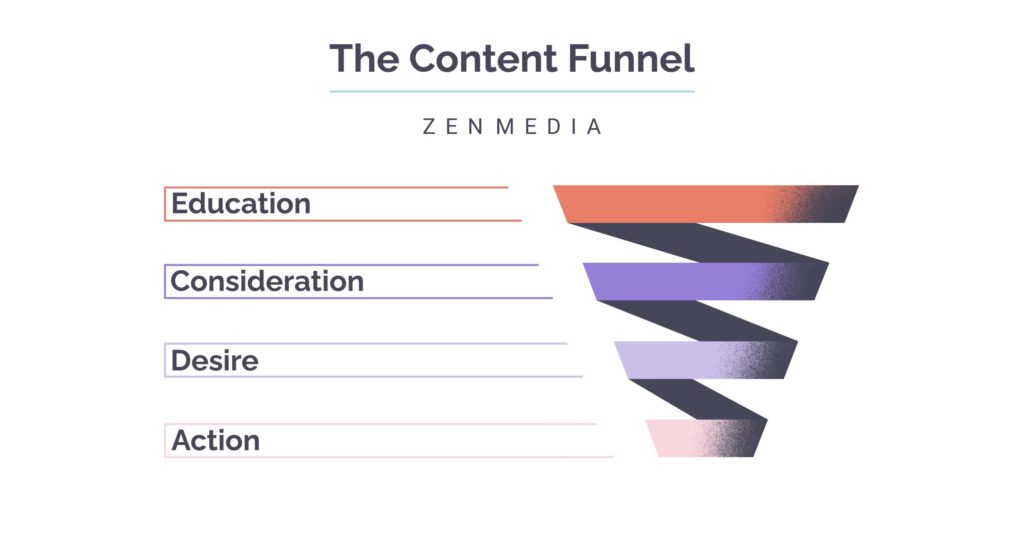
For teams building a B2B content marketing strategy from scratch or rebuilding an existing one, the cluster model works best when it starts with the highest-value bottom-funnel terms first. Build the decision-stage content before scaling up to awareness. The traffic will be lower but the leads will be more qualified, and qualified leads are what justify continued investment in the full strategy.
Authority Building Where SEO and PR Converge

Backlinks from authoritative sources remain one of the strongest ranking signals in Google’s algorithm, and for B2B brands, the most sustainable way to earn them is through earned media and genuine thought leadership. A single placement in a tier-one industry publication generates a backlink that a hundred directory submissions cannot match in quality or impact on domain authority.
Original research and proprietary data attract citations from publications that would never respond to a link request. The volume of data your company publishes each year maps directly to your organic backlink velocity 18 months from now.
The practical reality of B2B link building is that your PR strategy and your SEO strategy should share a significant portion of their execution. Every media placement your communications team earns is also a link opportunity. Every piece of original research you publish is a citation magnet. Every podcast appearance or speaking slot your executives take generates brand mentions that search engines and AI systems both track. Teams that operate PR and SEO as separate functions miss the compounding effect that occurs when both disciplines point at the same authority-building targets.
Three link acquisition strategies that work consistently in B2B: original research and data reports that other publications cite and link to without any outreach required; strategic media placements through earned PR in industry publications and business press; and expert source contributions via journalist request services where your executives become quoted authorities in roundup articles from high-authority sites. All three build backlinks without a single cold email asking for a link, because the value to the recipient is self-evident.
Internal links are the part of authority distribution B2B teams underinvest in. Every strong new page you publish should receive links from 3 to 5 existing pages that are relevant and already hold authority. This passes ranking equity from established content to new content and helps Google discover new pages faster. Run a site crawl quarterly and identify orphaned pages: pages with no internal links pointing to them are invisible to both search engines and to buyers navigating the site. Every strong new page should receive links from 3 to 5 existing pages on publication day; new content starting with no internal equity may take months longer to reach its ranking potential.
Technical SEO for B2B Sites
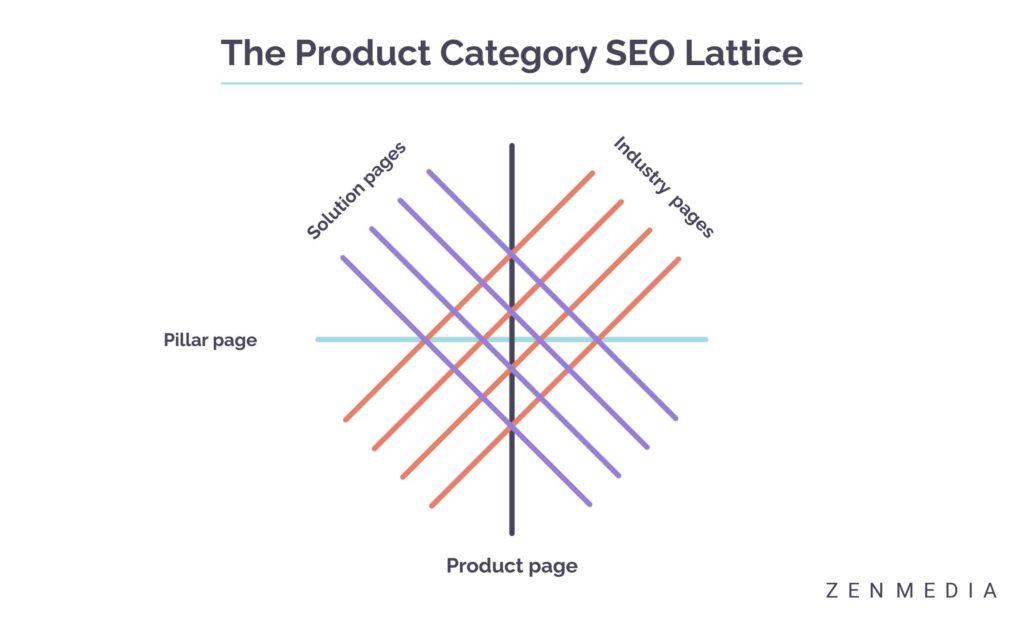
Technical SEO is the category of optimization that determines whether Google can index and rank the content your team produces. A B2B website can have outstanding articles and zero rankings if the technical foundation is broken: crawl budget wasted on duplicate parameter pages, Core Web Vitals scores suppressing rankings on mobile, or a site structure that makes it impossible for Google to understand how pages relate to each other.
Page speed and Core Web Vitals are now direct ranking factors. Google’s measurement framework evaluates Largest Contentful Paint (LCP), Interaction to Next Paint (INP), and Cumulative Layout Shift (CLS). For B2B sites on WordPress or similar CMS platforms, the recurring LCP offenders are uncompressed hero images, render-blocking scripts, and font-loading sequences that delay the first visible content. A one-second improvement in mobile load time can increase conversions by up to 20% on B2B landing pages.
Mobile optimization deserves specific attention in B2B contexts, even when conversions happen on desktop. More than half of B2B research queries occur on mobile devices, during commute hours and evenings when buyers are conducting preliminary research before bringing options to their teams. A page that renders poorly on mobile loses that initial research visit, and buyers rarely return. Mobile-first indexing means Google evaluates your mobile pages first regardless of where conversions ultimately occur. The desktop conversion happens later; the mobile impression often determines which vendors make the shortlist.
B2B sites with extensive product catalogs often generate thousands of near-duplicate pages through filtering, sorting, and URL parameter variations. These consume crawl budget that could be spent on high-value content. Set canonical tags on filter and sort variations, use robots.txt to block parameter-based URLs, and review crawl logs in Google Search Console to see where Googlebot spends its time.
An XML sitemap submitted to Google Search Console tells Googlebot which pages matter and when they were last updated. Keep it clean: include only canonical, indexable, 200-status pages. A sitemap containing 404s or redirected URLs reduces the trust signal it sends. Review it every quarter and regenerate it whenever significant content is added or removed from the site.
How AI Search Platforms Changed B2B SEO
Type your company’s most important buying question into ChatGPT right now and check whose brand appears in the answer.
73% of B2B buyers now use AI tools like ChatGPT and Perplexity in their purchase research. For B2B software specifically, 51% of buyers begin their vendor research in an AI interface, up from 29% just twelve months earlier. These numbers are still moving. A brand that ranks well in Google but is invisible in AI-generated answers is operating with half its discovery infrastructure: the half that buyers are increasingly using first.
The defining change in how AI search works is this: AI systems verify claims against trusted external sources to determine what to cite. When a buyer asks an AI assistant for a vendor recommendation, the system cross-references its training data and real-time index against trusted external sources to determine which brands it can cite with confidence. If your brand’s claims cannot be validated across third-party sources that AI models trust, your brand does not appear in the answer: not ranked lower, absent entirely.
This changes the practical mandate for B2B SEO teams. Building AI search visibility requires three things working together: content that directly answers the specific questions buyers ask in AI interfaces, formatted as natural questions phrased the way buyers ask them; citations in sources that AI systems index and trust, including industry publications, media coverage, analyst reports, and review platforms; and structured data that makes your product categories, use cases, and differentiators machine-readable. The brands that have executed this systematically are seeing measurable results.
Zen Media’s work with SpecialistID on AI visibility demonstrates what systematic execution looks like. The team mapped four distinct buyer personas, rewrote category pages using the language each persona searches, deployed FAQ schema matching real buyer prompts, and seeded content across the external sources AI models reference. SpecialistID entered the program with strong traditional SEO performance but near-zero presence in AI answers. Within 90 days, the results were specific and attributable:
The discipline of optimizing specifically for AI-generated answer engines has a name: Answer Engine Optimization (AEO). It overlaps significantly with traditional SEO but adds specific layers around structured data deployment, external citation building, and content formatting that matches the natural language patterns AI assistants use to construct answers. For B2B brands, building an AEO program today puts you ahead of the 78% of competitors whose marketing teams have not yet started tracking AI search visibility at all.
The question of which AI platform matters most is context-dependent. ChatGPT citations convert at 14.2%, Claude at 16.8%, and Perplexity at 12.4% according to Averi’s March 2026 analysis of 680 million citations. More relevant than the conversion rate comparison is that only 11% of domains appear in both ChatGPT and Perplexity citations for the same query, meaning visibility on one platform does not transfer automatically. B2B brands need to track and optimize for each platform separately. For deeper context on where each platform is heading with citations and paid formats, the 2026 AI citation picture has changed quickly.
The Platform Gap
Only 11% of domains cited by ChatGPT also appear in Perplexity results for the same query. Building visibility on one AI platform does not transfer to another. Each platform requires its own citation strategy.
Measuring B2B SEO Performance
The measurement error that compounds fastest in B2B SEO is optimizing for metrics that don’t connect to revenue. Ranking position and organic traffic volume are useful indicators, but a team that celebrates ranking number one for a keyword that attracts competitors doing market research has optimized for the wrong outcome. B2B SEO measurement should start with the question: which pages are generating the traffic that turns into qualified pipeline?
The core measurement stack for B2B SEO has four layers. First: ranking and visibility data from Google Search Console and a third-party rank tracker, segmented by keyword intent cluster for a cleaner performance picture. Second: organic traffic quality measured by engagement rate, time on page, and pages per session, segmented by entry page to identify which content attracts buyers versus general researchers. Third: conversion attribution, tracking which organic sessions generate demo requests, form fills, or content downloads that enter the sales pipeline. Fourth: AI search visibility, which requires specific tooling: test your brand’s appearance across 50 to 100 buyer prompts in ChatGPT, Perplexity, and Google AI Overviews monthly and track changes over time.
Benchmarking against your own historical performance is more useful than benchmarking against industry averages for B2B SEO programs. Industry averages aggregate across categories with wildly different competitive dynamics. A manufacturing software company and a B2B SaaS company targeting the same revenue tier will have completely different organic traffic levels, keyword counts, and conversion rates. The useful question is: are we improving quarter over quarter across the metrics that connect to pipeline?
Google Search Console is consistently underused in B2B programs, despite being the only tool with direct intelligence from Google itself. Beyond rank tracking, it tells you which pages Google is indexing and which it has excluded, which queries your pages appear for but don’t receive clicks on (indicating title or meta description problems), and which pages have coverage errors that prevent indexing. Check it weekly during active SEO programs. The insights it provides are available nowhere else and at no cost. Teams that check it quarterly miss problems that compound over months. A page showing high impressions with near-zero clicks has a title tag or meta description problem; fix those two elements before touching the page content.
Related Reading From the Zen Media Blog
B2B SEO connects directly to content strategy, AI visibility, and earned media. These posts go deeper on adjacent topics covered in this guide:
- How Does Answer Engine Optimization (AEO) Work?: the complete guide to optimizing for AI-generated answers
- AI Visibility Agency: How Brands Stay Visible in the Answer Layer: Zen Media’s framework for maintaining presence across AI search platforms
- ChatGPT Ads and Citations in AI Answers: What We Know So Far 2026: the latest on paid and earned visibility inside ChatGPT
- The B2B Content Marketing Strategy Guide for 2026: how to build the content infrastructure that supports long-term SEO
- 13 AI Marketing Tools for B2B: Pipeline and ROI Guide: tools for building and measuring your B2B marketing stack
- 17 B2B Content Marketing Examples That Prove Utility Is the New Authority: real examples of content that drives B2B results
Frequently Asked Questions About B2B SEO
What is B2B SEO and how does it differ from B2C SEO?
B2B SEO optimizes content and website authority to rank in search results where business buyers research purchase decisions. B2C SEO targets individual consumers with shorter timelines. B2B buying committees involve 6 to 10 decision makers, sales cycles of 3 to 18 months, and research that starts well before any vendor contact. B2B keyword targets skew toward low-volume, high-intent phrases.
How long does B2B SEO take to deliver results?
Long-tail terms typically show measurable ranking improvement within 3 to 6 months. Meaningful organic traffic increases appear at 6 to 12 months. Competitive head terms in crowded B2B categories can take 12 to 24 months to move significantly. Domain authority, content depth, and backlink profile quality all affect the timeline.
What keywords should B2B companies focus on?
B2B companies should prioritize long-tail, high-intent keywords over broad category terms. Phrases of four or more words that reflect specific buyer questions outperform short-tail terms in conversion rate and rank faster in competitive categories. Map keywords to buying stage: awareness terms answer “what is X,” consideration terms cover evaluation options, and decision terms address specific solution fit. Each stage needs different content formats.
How has AI search changed B2B SEO strategy?
AI platforms including ChatGPT, Perplexity, and Google AI Overviews now serve as a first research stop for 73% of B2B buyers. Unlike traditional search, AI synthesizes answers from cited sources. Brands that appear in AI answers share three traits: content that matches buyer questions precisely, earned citations in publications AI models trust, and structured data that makes their expertise machine-readable.
What is the ROI of B2B SEO?
Organic search generates 44.6% of total B2B revenue according to BrightEdge research. SEO consistently outperforms paid search on a cost-per-lead basis over 12-month-plus time horizons because traffic compounds: early content investments continue delivering returns for years, while paid campaigns stop producing when spend stops.
How should B2B companies approach link building?
B2B link building works best as a direct extension of PR and thought leadership. Contributing original research, securing placements in industry publications, earning media coverage, and building resource pages that other sites naturally cite all generate high-quality backlinks. Cold outreach asking directly for links rarely produces results in B2B. Every earned media placement is simultaneously a link opportunity.
Should B2B companies invest in SEO or paid search?
Both serve distinct functions in B2B go-to-market strategy. Paid search delivers immediate visibility for bottom-funnel terms during launches and market tests. SEO builds compounding authority at lower long-term cost per lead. The best approach combines both: paid search covers bottom-funnel terms while organic rankings are built, then paid spend is reduced in categories where SEO reaches maturity.
Ready to build a B2B SEO strategy that reaches buyers in both Google and AI search? Talk to the Zen Media team about what your program could look like.
About the author: Sarah Evans is Partner and Head of PR at Zen Media, a global B2B PR and marketing agency. With 23+ years in communications, she architects PR strategy, drives earned media initiatives, and helps brands navigate AI-driven visibility. She is a regular contributor to Entrepreneur and has been recognized as a top writer on business and tech.