I have watched a brand spend a fortune on a launch that no reporter wanted to write about, and I have watched a free automated account earn coverage in every major paper. What separates the two? Almost never the budget. It comes down to one question the plan usually skips: did the work give people outside the brand a reason to talk about it, or just a message to receive.
The 24 PR campaign examples below span reactive newsjacking, cause-driven storytelling, experiential stunts, and B2B earned media. Some are cultural landmarks. Four are Zen Media client campaigns with numbers we can stand behind. What connects them is a story built so well for its moment that the press and the public carried it forward on their own, which is the entire point of a strong PR strategy: reach a brand earns and keeps.
What Makes a PR Campaign Successful?
The word doing the most work in that definition is earn. A paid ad rents attention for as long as the budget runs. A PR campaign builds a story that journalists, creators, and everyday people choose to spread, which is why earned media is the most trusted and the most durable reach a brand can hold. Every campaign on this list starts by answering one question: why would anyone outside the company want to pass this along? The ones that answer it well are the ones that travel.
The best campaigns also start from a live cultural moment or a real audience tension before a product feature. Dove did not lead with moisturizer. It led with how women feel about their own images, then tied that to the anxiety of the moment. Do you know the single tension your next campaign is answering? That clarity, more than spend, is what turns a press release into a story a reporter wants to write.
PR Campaign vs. Publicity vs. PR Activity
These three terms get used interchangeably, and the confusion leads teams to celebrate a single press hit as if it were a program. Publicity is one burst of attention. A PR activity is a recurring task, such as pitching or media monitoring. A PR campaign is the coordinated whole: one story, one goal, one window, measured end to end.
| Attribute | PR campaign | Publicity | PR activity |
|---|---|---|---|
| Scope | A coordinated program over a set window | A single burst of attention | One recurring task |
| Goal | A named business or reputation outcome | Visibility in the moment | Keeping the pipeline moving |
| Examples | Lucky Yatra, Fearless Girl, the ALS challenge | A viral clip, one big feature story | Media pitching, monitoring, briefings |
| Success signal | Coverage tied to a measurable result | Reach and impressions | Consistency and readiness |
The 6 Types of PR Campaigns
Almost every campaign on this list falls into one of six types. Naming the type before you start keeps the team honest about what the work has to do, because a product launch and a crisis response call for different stories, different outlets, and different measures of success.
24 Successful PR Campaign Examples
These are ordered to mix eras and types, not ranked one through 24. Taken together they are the clearest PR examples on record, a set of public relations campaigns that span reactive newsjacking, cause storytelling, experiential stunts, and B2B earned media. Read each for the play, the number, and the one move you can borrow.
1. Summer of Barbie
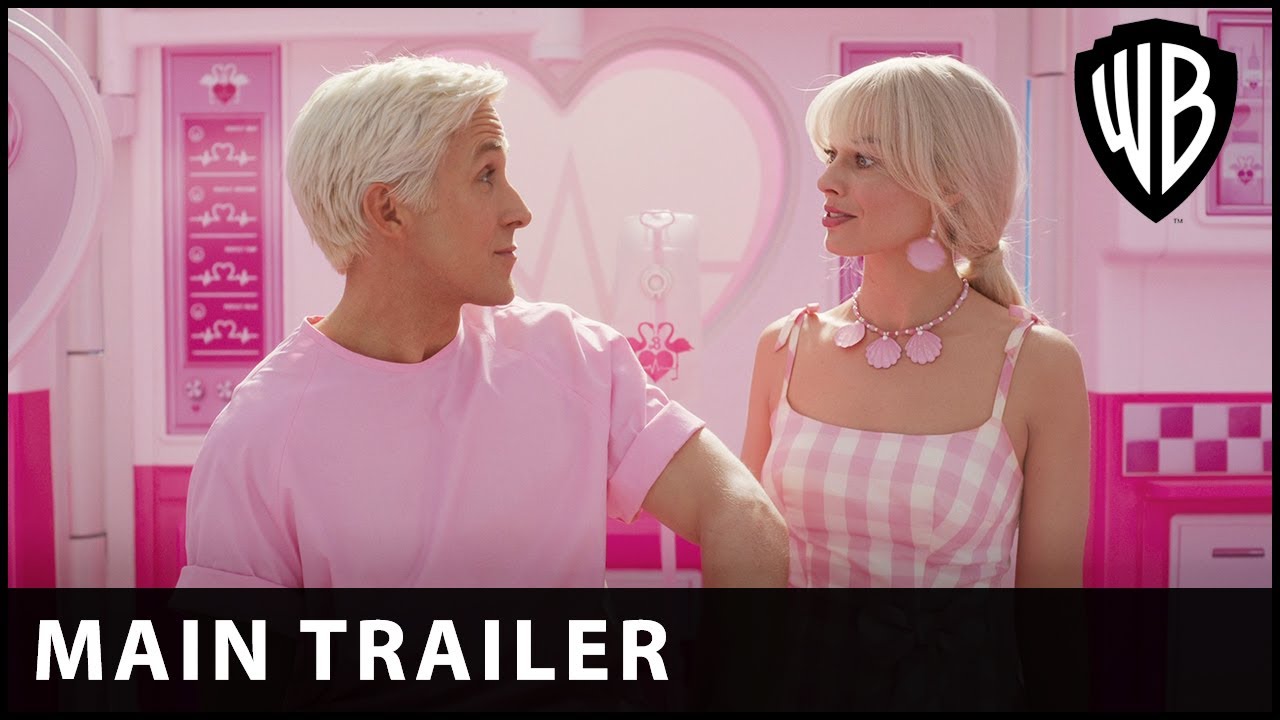
The Barbie press machine claimed a single color and then appeared everywhere, from a bookable Malibu DreamHouse to more than 165 brand partnerships that painted the summer pink. The masterstroke was making the story joinable: anyone could take part with a pink outfit or a selfie generator, so the public became the coverage. By the premiere, the film was less a movie release than a season the whole culture was already inside of, and the press had no choice but to cover the phenomenon.
Borrow this: own one asset, a color or a phrase, then let the whole culture play with it.
2. Stanley: The Viral Car-Fire Reply
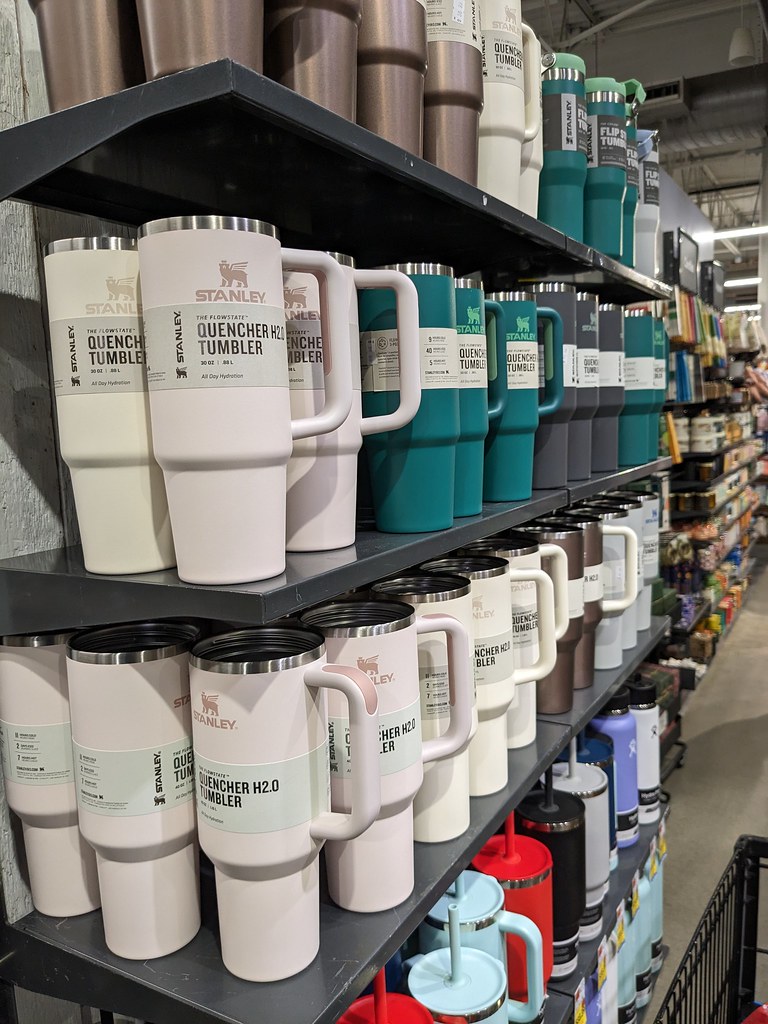
When a TikTok showed a Stanley Quencher surviving a car fire with the ice still intact inside, the brand did the rare thing: it moved fast and generously. Stanley’s president replied on the same platform, promised to replace the tumblers, and offered to buy the creator a new car. The response turned an accidental product demo into a reactive PR masterclass, because the brand met the moment with warmth instead of a legal disclaimer. The reply itself became the story, and it traveled further than any planned ad.
The play to steal: when a moment lands in your lap, speed and generosity beat a cautious statement every time.
3. Dwolla: Fintech Executive Visibility

Dwolla had enterprise-grade payment technology and almost no share of voice in fintech media. The fix was a focused executive visibility program: a 90-day sprint that positioned its leaders as category authorities through proactive podcast pitching, speaking slots, and a deliberate “payments giant” narrative that pulled the brand into bigger conversations than its size alone would earn. The campaign proved that B2B PR travels on executive credibility earned over time.
Borrow this: in B2B, position the people before the product, and let their authority earn the coverage.
4. LEGO: Message to Space
LEGO invited children to send a message to the stars, partnered with singer Sam Ryder and the International Astronomical Union, and then literally transmitted selected messages into deep space at a launch event. Message to Space worked because it turned a brand value, sparking curiosity in kids, into a genuine news event with a real astronomical hook. Reporters covered the science and the spectacle, and the campaign earned a spot on The View alongside features in The New York Times and The Guardian.
The lesson: attach a brand value to a genuine, newsworthy event and the coverage follows the event, not the ad.
5. Aviation Gin: The Gift That Doesn’t Give Back
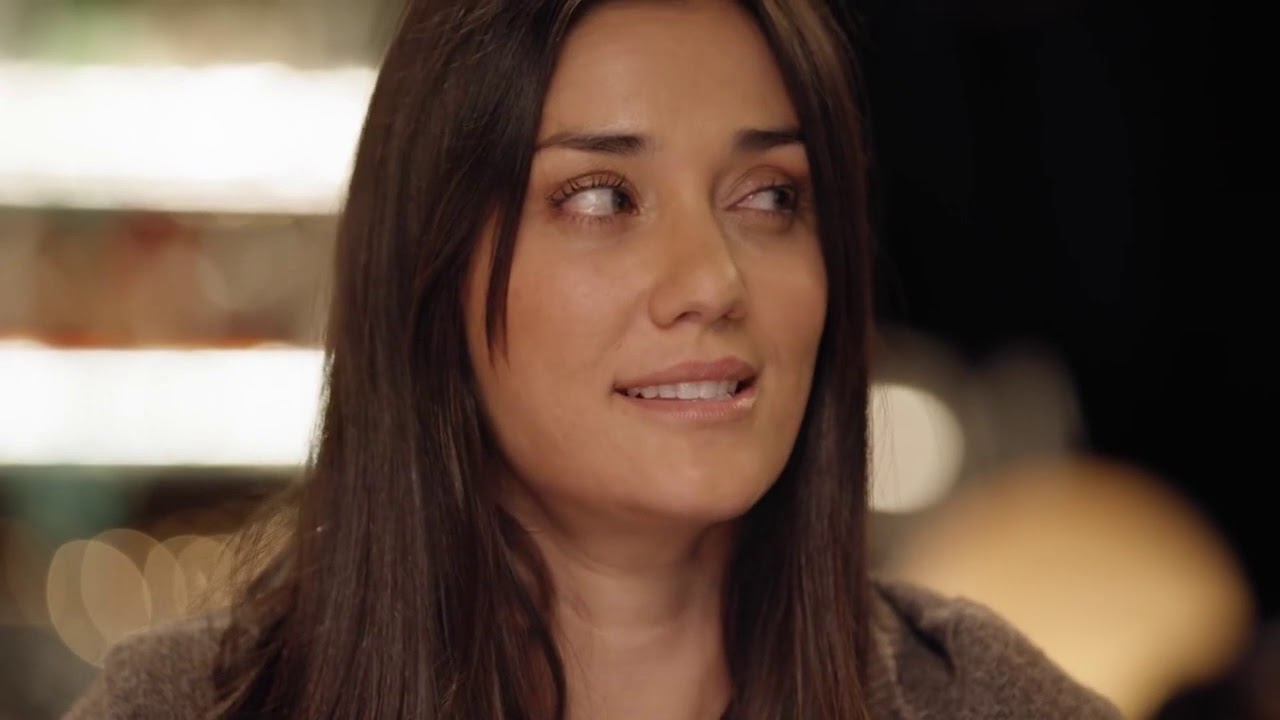
When a Peloton holiday ad went viral for the wrong reasons in 2019, with viewers reading its lead actress as anxious and controlled, Ryan Reynolds’ Aviation Gin cast the same actress in a response spot within days. The ad found her at a bar with friends, visibly relieved, and never named Peloton once. It is a masterclass in reactive PR: read a live news cycle, add a witty on-brand take, and let the press connect the two. The speed was the whole trick, because the story was still hot when Aviation arrived.
Borrow this: watch for a competitor’s viral misstep, then move within days with a witty, on-brand reply.
6. Dove: Real Beauty
Dove’s Real Beauty platform has run for two decades by returning to one human truth: how women feel about their own images. The 2013 Real Beauty Sketches film, in which an FBI-trained artist drew women as they described themselves and then as strangers described them, became the most-watched video ad of its time. The platform stayed current by adapting to each new pressure, from magazine retouching to the Reverse Selfie and #TheSelfieTalk work on filter culture. Because the message sits on a real social debate, the press and parents amplify it far past any paid plan.
The lesson: connect a belief you already hold to the pressure your audience is living through right now.
7. Popeyes: The Chicken Sandwich War
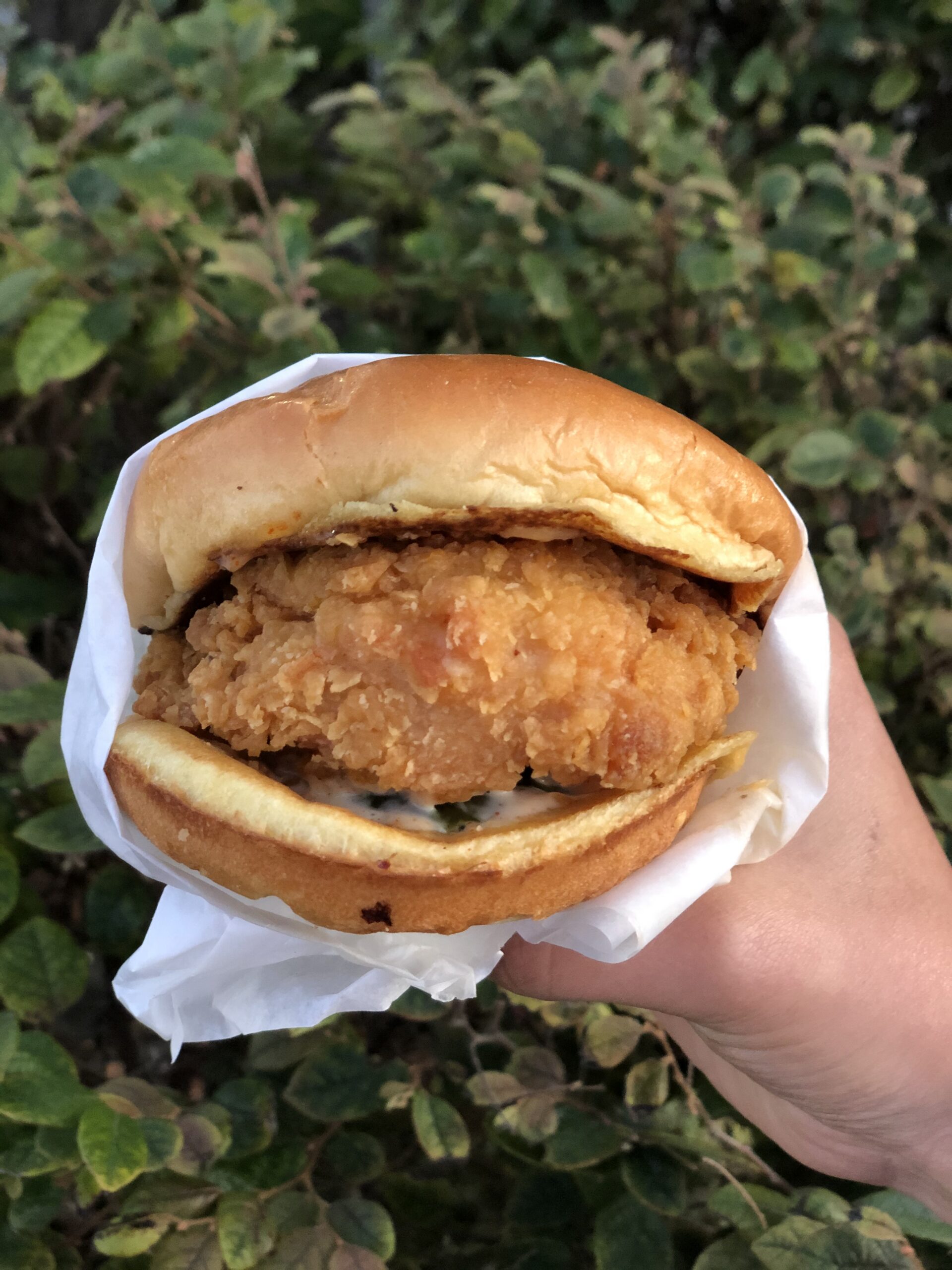
In August 2019, Popeyes launched a fried chicken sandwich, Chick-fil-A subtweeted it, and Popeyes replied with two words: “y’all good?” The internet took it from there. The clapback turned a product launch into a spectator sport, and fans lined up for hours to judge the winner for themselves. Demand outran supply so fast that stores sold out nationwide in about two weeks, months ahead of plan.
The play to steal: a confident, well-timed reply can turn a rival into free distribution.
8. ALS Ice Bucket Challenge
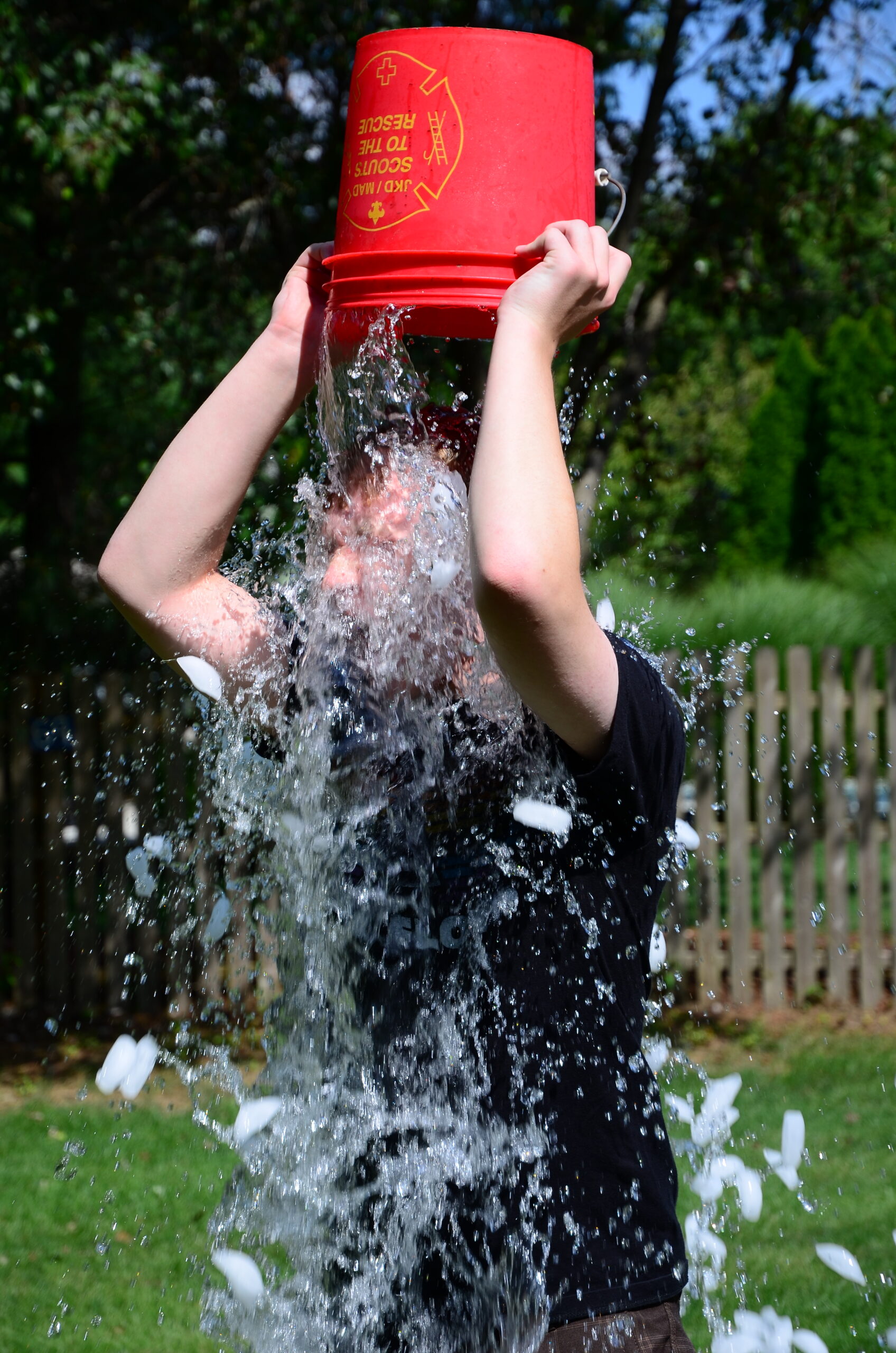
The ALS Ice Bucket Challenge asked people to film themselves dumping ice water, donate, and nominate three friends to do the same. The mechanic was the message: a simple, filmable action with a built-in chain of nominations that spread it across the world in weeks. It gave a little-known disease a face and a moment, and it remains the reference every participation campaign points to.
The play to steal: design one simple action that carries its own invitation to the next person.
9. Ocean Spray: The Dreams Moment
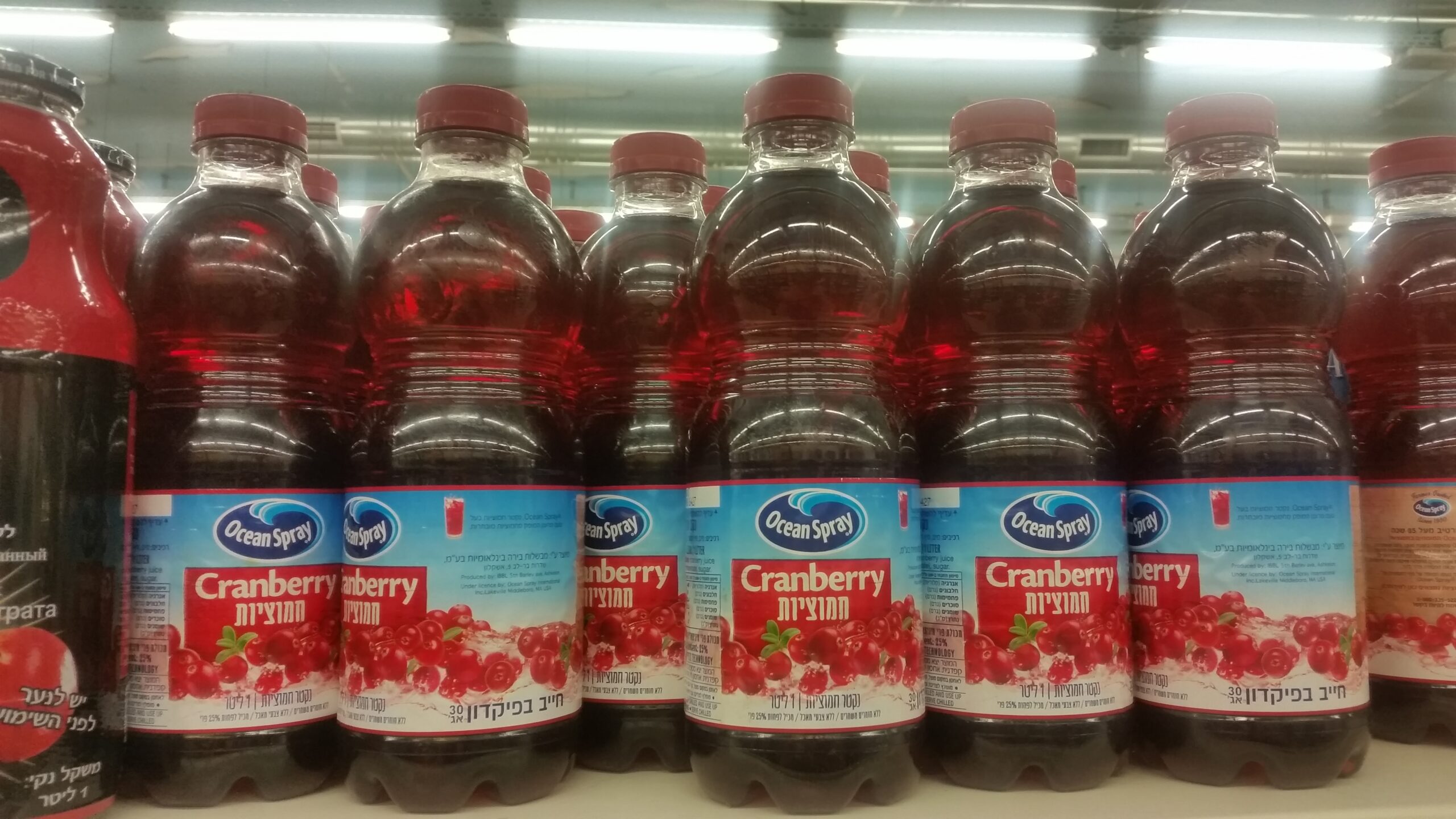
In 2020, a man named Nathan Apodaca filmed himself longboarding down a highway, swigging Ocean Spray cranberry juice and lip-syncing to Fleetwood Mac’s “Dreams.” The clip became one of the defining moments of the year. Ocean Spray did the smart thing: it embraced Apodaca and gave him a truck full of juice, so the brand rode a cultural wave it never could have manufactured. The move cost little and bought enormous goodwill.
What to copy: when a fan hands you a moment, get behind the person and let the story run.
10. Taylor Swift: The Eras Tour
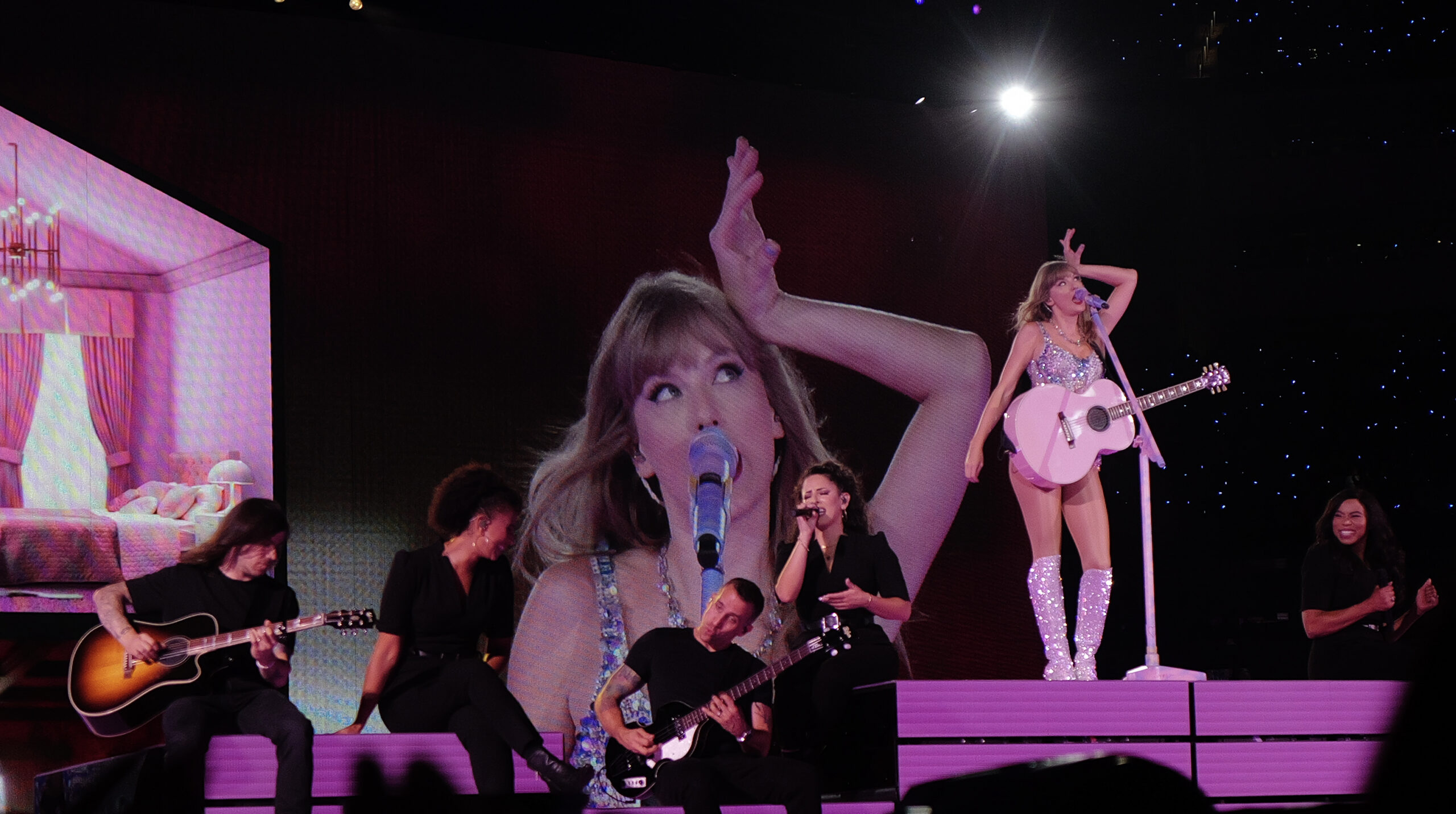
The Eras Tour became a self-sustaining earned-media engine. Friendship bracelets, surprise songs, and city-by-city rituals gave fans and reporters an endless supply of stories, so every stop generated its own news cycle. The tour showed how a layered narrative, refreshed at each event, can keep a brand at the center of the conversation for more than a year without a traditional ad campaign carrying it.
The takeaway: give the story a fresh, local beat at every stop and the press keeps a running series going for you.
11. State Street: Fearless Girl
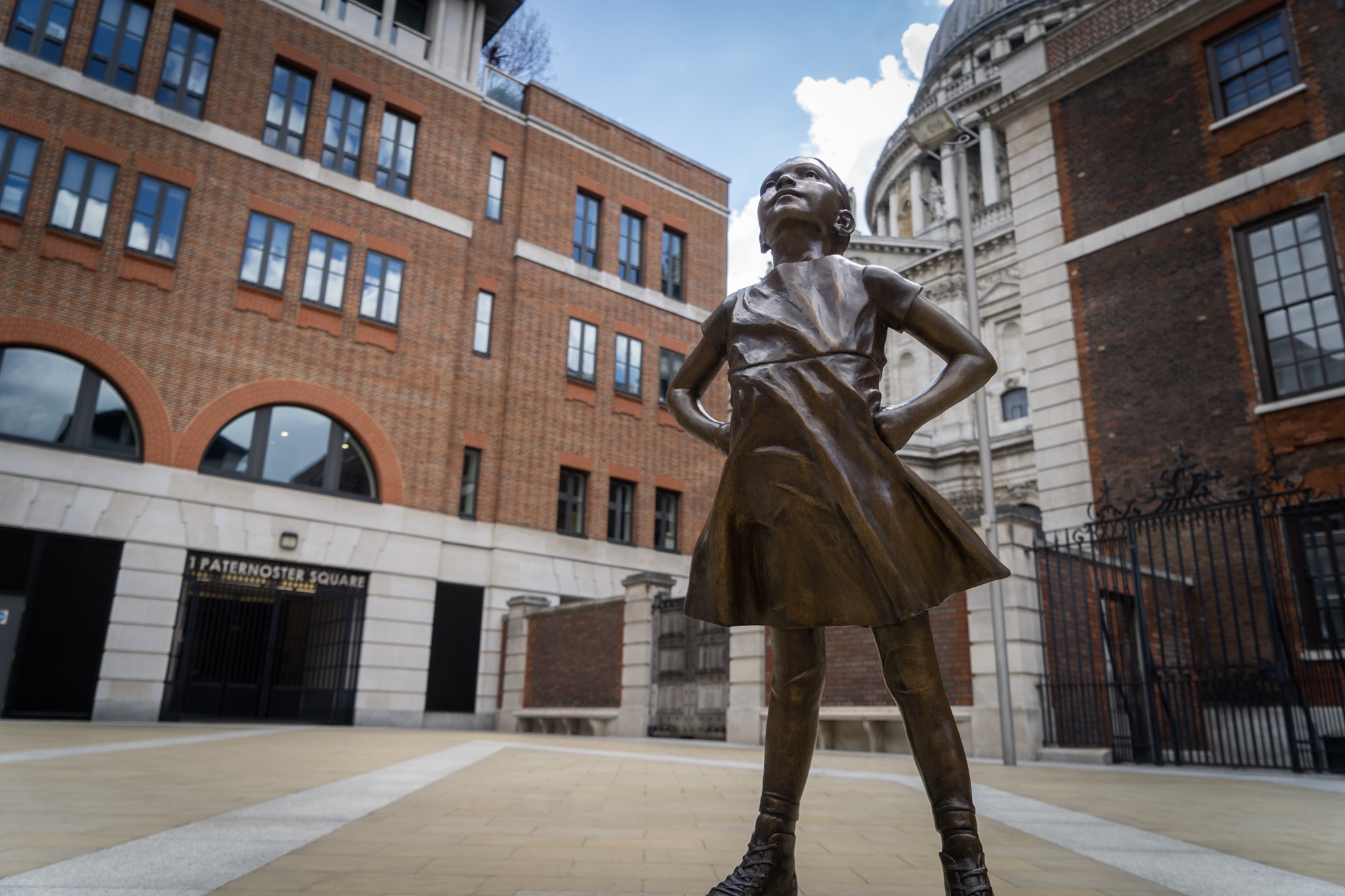
State Street placed a small bronze statue of a defiant girl facing the Wall Street bull, timed to International Women’s Day, to promote a fund focused on companies with more women in leadership. The image did all the work: it was instantly photographable, loaded with meaning, and impossible for the press to ignore. A single physical object became a global symbol of a debate about women on corporate boards, and the coverage dwarfed the cost of the statue.
Steal this: a single, meaning-loaded image can carry a message the press cannot resist.
12. Dunkin’: The DunKings
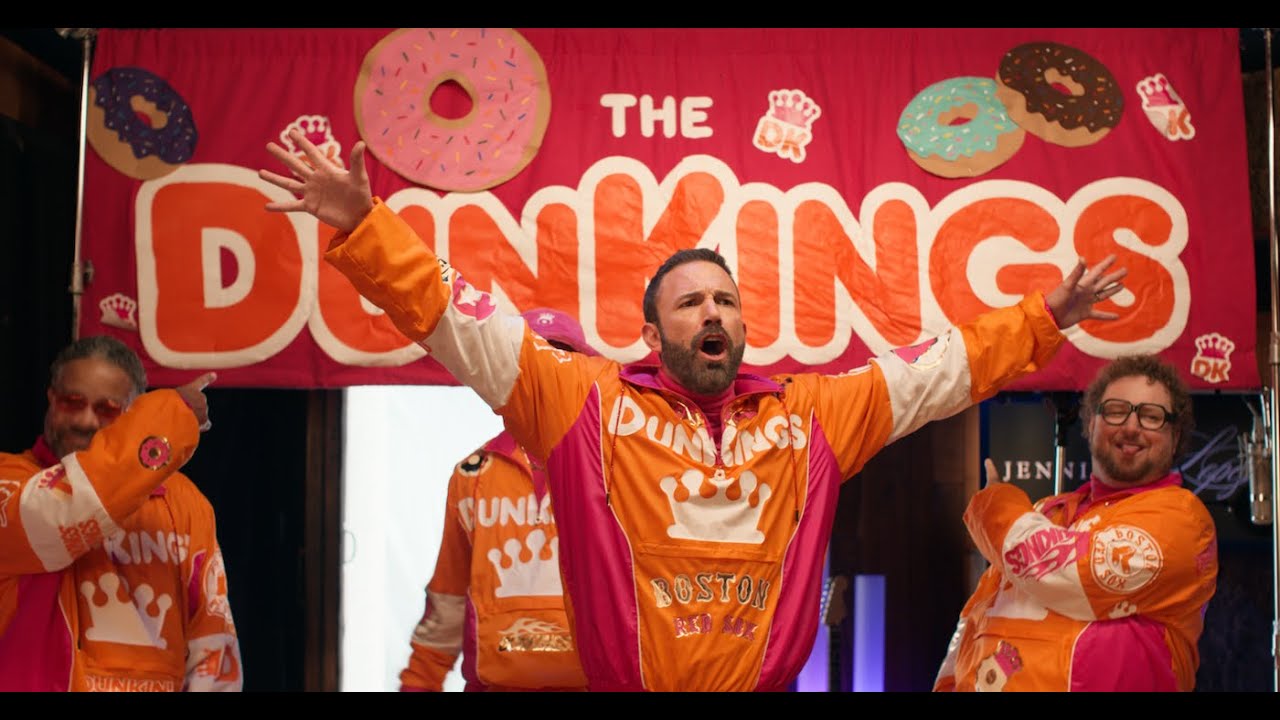
For Super Bowl LVIII in 2024, Dunkin’ turned Ben Affleck’s real-life coffee obsession into The DunKings, a boy band featuring Affleck, Matt Damon, Tom Brady, and a cameo from Jennifer Lopez. The spot leaned on New England celebrity and self-aware comedy, and it kept the joke going with tracksuit merch that fans could buy. The stunt made a regional coffee chain the talk of the national broadcast.
Borrow this: build the campaign around a truth people already believe about your brand, then give them something to buy into.
13. New Cosmos: Launching DeNova Detect at CES
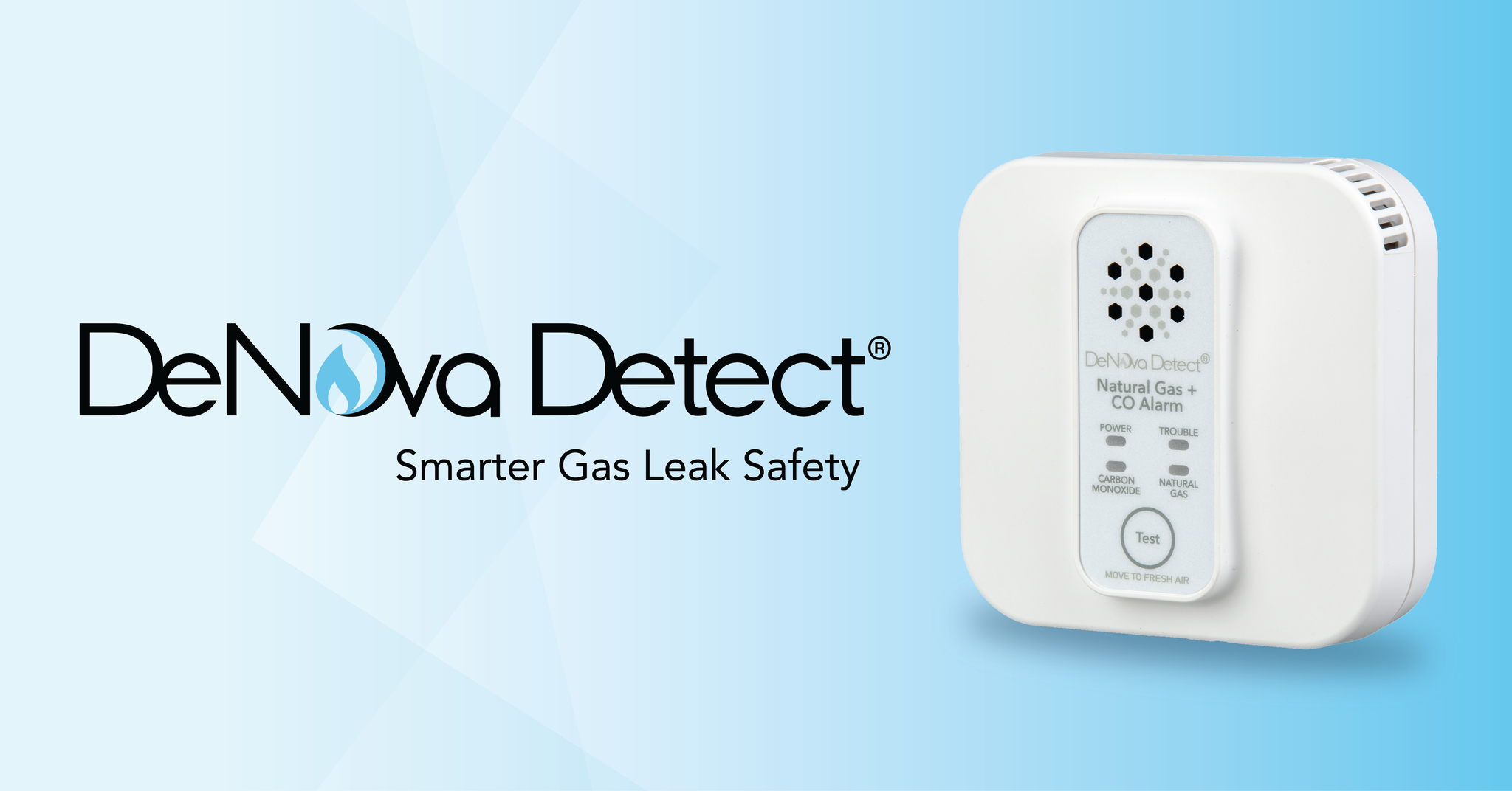
New Cosmos had to launch a wireless natural gas detector at CES while the entire gas-appliance category was tangled in climate policy debate. The campaign sidestepped the politics by making the story about home safety, positioning company executives as the subject-matter authorities on preventing gas fires. A 100-day sprint of press, newsjacking, and executive media training earned the product real credibility in a crowded, sensitive news environment.
Borrow this: when the category is politically charged, anchor the story on a benefit no one can argue with.
14. Gender Pay Gap Bot
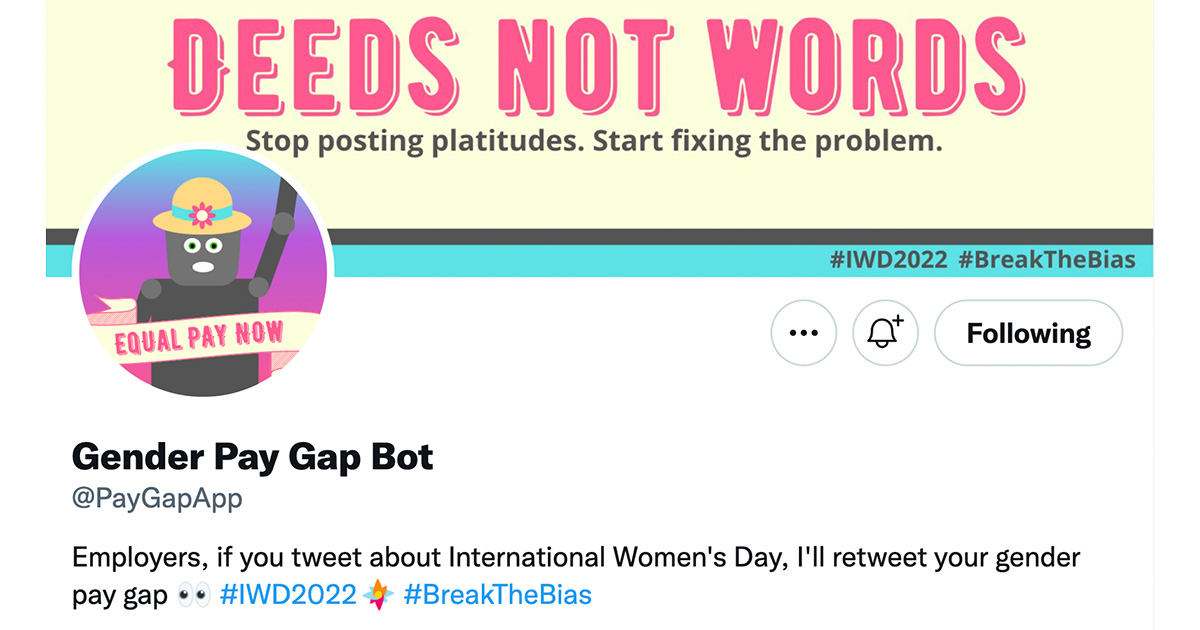
On International Women’s Day, an automated account began quote-tweeting companies’ celebratory posts with their own published gender pay gap figures. The Gender Pay Gap Bot needed no budget: it turned public data into instant accountability, and the contrast between a brand’s message and its numbers was the entire story. It became a recurring news hook every March, proof that a sharp mechanism can outperform a funded campaign.
What to copy: a smart mechanism built on public data can earn coverage no media budget could buy.
15. McDonald’s: We Hire People
Facing a tired stereotype about fast-food jobs, McDonald’s told the real career stories of employees who had grown from crew into management and ownership. We Hire People reframed the brand as an employer worth respecting by letting genuine staff carry the message, which read as far more credible than any corporate claim. The campaign turned an internal reputation problem into an earned-media story about opportunity.
The takeaway: to change a perception about your people, let your people tell the story in their own words.
16. Nike: Colin Kaepernick
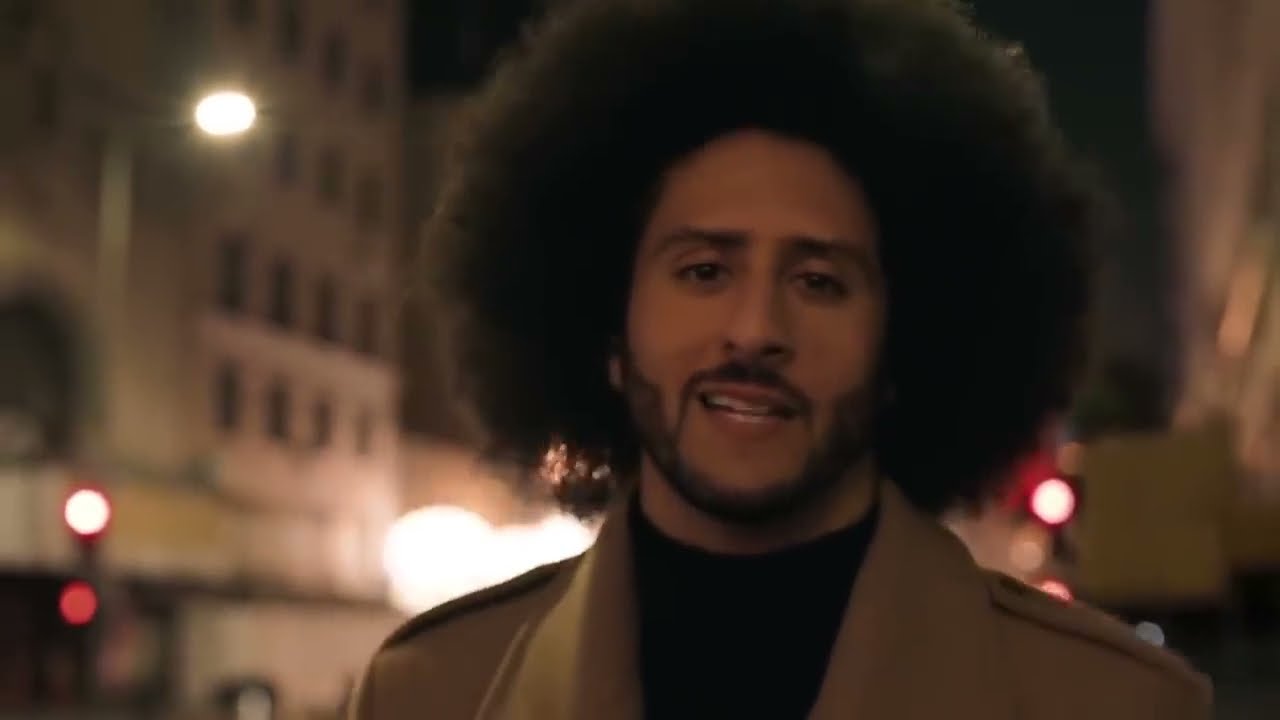
Nike built a “Just Do It” anniversary campaign around Colin Kaepernick, the quarterback whose national-anthem protests had made him one of the most polarizing figures in American sport. The move drew boycotts and burned shoes, and it also drew intense loyalty from the young, diverse customers Nike most wanted. It is the clearest lesson on this list that a genuine stance is a double-edged sword: it earns enormous reach and it costs you the people who disagree.
The takeaway: a real stance travels fast, so take one only when the brand is ready to lose the people who disagree.
17. Google: Year in Search
Every December, Google turns its own aggregate search data into an emotional short film about what the world wondered, mourned, and celebrated that year. Year in Search works because it uses proprietary data no one else has to tell a story only Google can tell, then releases it at the exact moment culture is in a reflective mood. The film earns coverage as a cultural artifact, and it quietly reminds everyone how central search is to daily life.
Steal this: your own proprietary data is a story your competitors literally cannot tell.
18. Red Bull Stratos
Red Bull sent Felix Baumgartner 24 miles up in a helium balloon to free-fall from the edge of space, live on YouTube. Stratos was a genuine scientific feat wrapped in a brand event, and streaming it live made the whole planet the audience for a single moment. The stunt embodied the brand’s “gives you wings” promise more powerfully than any ad, and it set a live-streaming record that still gets cited.
The move to copy: stage a real feat that proves your brand promise, then let people watch it happen live.
19. Aeroflow Breastpumps: Event Activation

Aeroflow met expectant parents at the exact moment they are choosing brands, with a multi-channel event activation: trimester-specific newsletters, a live event presence, real-time Instagram Stories and Reels, and on-site parent interviews. The program converted awareness into customer relationships by showing up where the decision is made. It is a Zen Media client program, and the conversion numbers are why it earns a place here.
The lesson: showing up where a decision is being made converts better than broad awareness that reaches no one at the right moment.
20. Patagonia: Don’t Buy This Jacket
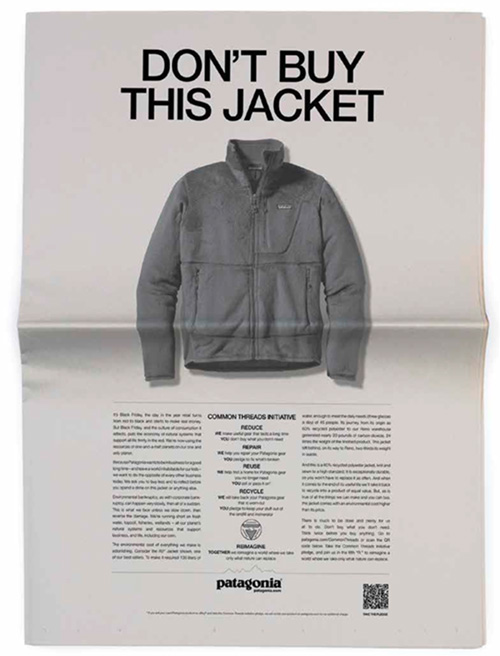
On Black Friday 2011, Patagonia ran a full-page New York Times ad telling people not to buy its jacket, complete with the environmental cost of making it. The counterintuitive message matched the brand’s real values so precisely that it earned enormous press and, paradoxically, more sales. Customers trusted a company willing to argue against its own short-term interest, and that trust showed up on the revenue line.
Steal this: a message that argues against your own short-term gain can buy a level of trust no ad can.
21. Elation Lighting: A Product Launch at LDI
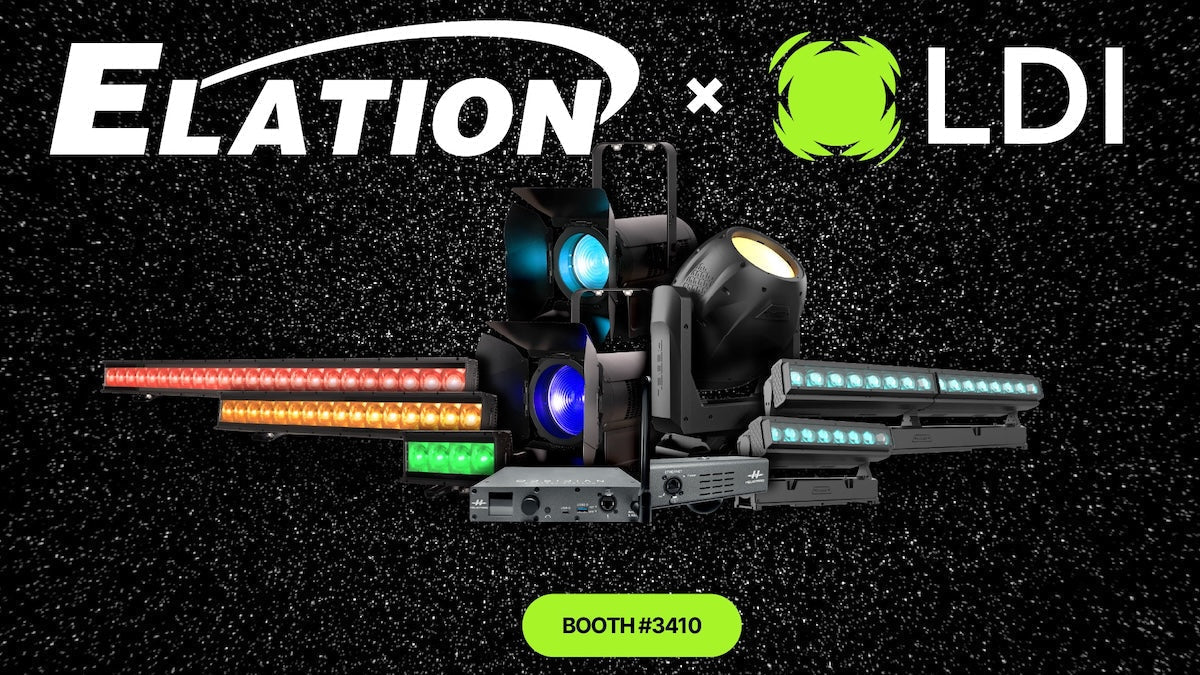
Elation had to launch two new products at LDI, the largest trade show in stage lighting, where competitors debut every year. The campaign built pre-show demand across PR, social, paid, and email, then used VIP QR badges and live product demos to convert booth traffic on the floor. By coordinating earned coverage with the event, Elation reached far past the show’s own audience. It is a Zen Media client campaign.
Borrow this: coordinate earned media with a live event so the story travels well past the room.
22. Indian Railways: Lucky Yatra
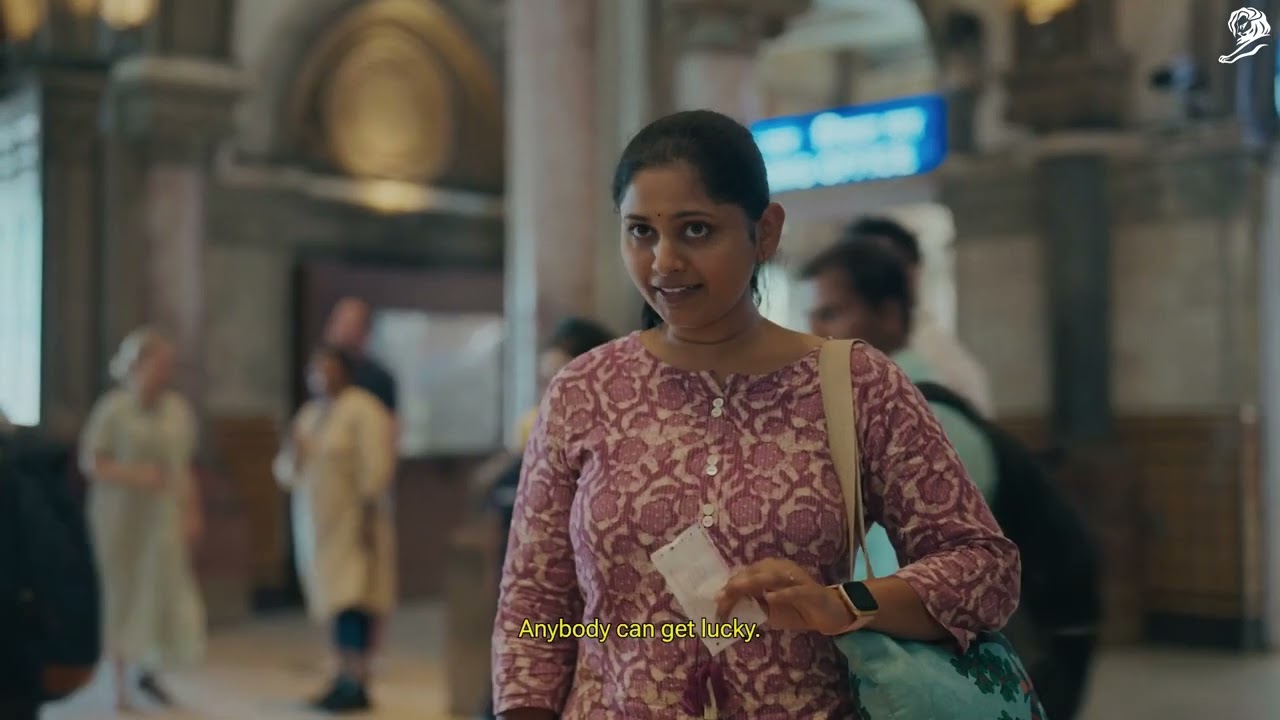
Indian Railways loses a fortune each year to fare evasion, so it turned every valid train ticket into a lottery ticket. Lucky Yatra gave law-abiding passengers a monetary reason to travel ticketed, then announced winners in crowded stations to make the reward public and social. The idea reframed compliance as a game, and the press covered it as a rare piece of genuinely clever public-sector communication. It won the PR Grand Prix at Cannes Lions 2025.
Borrow this: reframe a behavior you want as a game people are glad to play, and the story tells itself.
23. Coors Light: Case of the Mondays
Coors Light noticed that the Monday after the Super Bowl is, for a large share of viewers, one of the worst days of the year, so it built a campaign around that shared misery. A sloth-themed spot, limited Case of the Mondays packaging, and a beer drop timed to the day after the big game gave the press and social feeds a joke everyone was already living. The newsjack turned a cultural low point into an ownable brand moment.
What to copy: name a feeling your whole audience already shares, then be the brand that made it funny.
24. The Grammys: L.A. Wildfire Relief
Weeks after wildfires devastated Los Angeles, the 67th Grammy Awards reshaped its 2025 broadcast around relief. The show kept a donation QR code on screen, and stars including Doja Cat and the Jonas Brothers introduced donated ad time spotlighting local small businesses that had been hit. It turned a glossy awards night into a live act of community support, and the press covered the effort as much as the winners.
The lesson: when a real crisis hits your audience, showing up to help earns more goodwill than any planned message.
What the Best PR Campaigns Have in Common
Across 24 campaigns, more than a decade, and every budget level, four traits repeat. None of them require a big media spend, which is why a free automated account and a nine-figure movie can both make the same list.
That earned-media discipline is the hardest to manufacture and the most valuable to hold, which is exactly the work behind a strong B2B PR strategy. For campaigns built to sell as much as to earn coverage, our roundup of the best digital marketing campaigns of all time shows the same principle applied across every online channel.
How to Build Your Own PR Campaign
You do not need a Cannes budget to apply what these campaigns did. Can you name, right now, the single result your next campaign has to move and the story that will earn it? That discipline, more than spend, separates work that lands from work that just looks busy. Work through these six steps in order.
How to Measure a PR Campaign
PR is measured on a different scale from paid media, because its job is to earn attention the brand did not buy. Track three layers so the story is complete: coverage, quality, and outcome. Coverage counts placements, impressions, and share of voice, which tell you how far the work traveled. Quality weighs the authority of the outlet, whether your key message survived the edit, and sentiment, which tell you whether the coverage helped. Outcome ties the campaign to a business number such as sales, leads, web traffic, brand search, or funds raised, which tells you whether any of it mattered. A campaign that wins coverage and moves no result is publicity, so always connect the earned metrics back to a named outcome, the way our client work reports placements and new-customer acquisition alongside the impressions. For the earned-media foundation these campaigns sit on, see our guide to SEO tips for PR.
How PR Campaigns Show Up in AI Answers
There is a newer reason earned coverage matters. When someone asks ChatGPT, Perplexity, or Google’s AI Overviews for the best or most famous PR campaigns, the answer is assembled from the coverage each campaign earned in the press and from creators, so a well-covered campaign keeps working long after the flight ends. The campaigns with the most earned media and the clearest documented results are the ones the models cite. Making a brand legible to those systems is its own discipline, and our guide to answer engine optimization covers how to earn that visibility on purpose.
Frequently Asked Questions
What makes a PR campaign successful?
A successful PR campaign earns coverage and conversation the brand did not pay for, then ties that attention to a business result. The strongest ones start from a real cultural moment or audience tension, give journalists and creators a reason to carry the story, and set a measurable goal before launch. Earned pickup, sentiment, and a lift in a named metric separate a campaign that worked from one that only looked busy.
What is the difference between a PR campaign and publicity?
Publicity is a single burst of attention, such as one press hit or a viral moment. A PR campaign is a coordinated program built around one idea over a set window, with a defined goal, a target audience, and a plan for how earned coverage ladders up to that goal. Publicity can happen by accident. A PR campaign is designed, measured, and repeatable.
What are some examples of PR campaigns?
Well-known PR campaign examples include Indian Railways’ Lucky Yatra, the ALS Ice Bucket Challenge, State Street’s Fearless Girl, Dove’s Real Beauty, and Nike’s Colin Kaepernick campaign. They span reactive newsjacking, cause-driven storytelling, experiential stunts, and executive commentary, which shows how wide the format runs while still earning coverage and moving a result.
How do you measure a PR campaign’s success?
Measure a PR campaign on three layers: earned coverage, quality, and outcome. Coverage counts placements, impressions, and share of voice. Quality weighs the authority of the outlet, message pull-through, and sentiment. Outcome ties the campaign to a business number such as sales, leads, web traffic, or brand search. Set the target metric before launch so the number you report is the one you promised, not the easiest one to find later.
How much does a PR campaign cost?
A PR campaign can cost anywhere from a few thousand dollars for a focused reactive push to six figures for a sustained, multi-market program. Cost rarely predicts impact. Indian Railways spent 1.4 million dollars in prizes and returned 685 million in revenue, while the Gender Pay Gap Bot ran on a free automated account. Budget sets the ceiling on reach, but the idea and the timing decide whether the story travels.
Can B2B companies run successful PR campaigns?
Yes. B2B PR earns coverage through executive commentary, proprietary data, category-defining narratives, and well-timed reactions to industry news. Dwolla secured more than 170 placements in 90 days by positioning its leaders as fintech authorities, and New Cosmos launched a safety product at CES by making its executives the subject-matter voice. The mechanics differ from consumer stunts, but the earned-media principle is identical.
Build a PR Campaign Worth Covering
The campaigns on this list look effortless from the outside and took real strategy underneath. If you want that kind of earned coverage for your brand, Zen Media builds PR campaigns designed to be reported, cited, and remembered. Talk to our team about the story you have been sitting on.
About the author: Sarah Evans is Partner and Head of PR at Zen Media, a global B2B PR and marketing agency. With 23+ years in communications, she architects PR strategy, drives earned media initiatives, and helps brands navigate AI-driven visibility. She is a regular contributor to Entrepreneur and has been recognized as a top writer on business and tech.