I have sat in the room where a team celebrates a campaign that won every internal award and moved nothing. Have you? The gap almost always comes down to one question the deck skipped: did the work give the audience something to do, or just something to see. Every campaign on this list answers that question the same way, and the results followed.
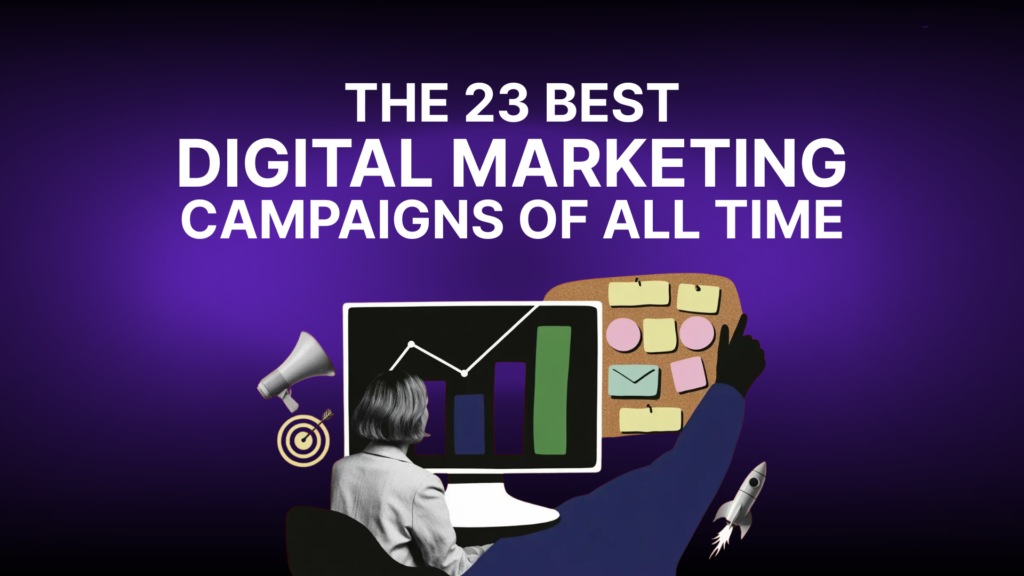
The 23 digital marketing campaigns below span twelve years, a dozen industries, and budgets from 4,500 dollars to eight figures. Some are cultural landmarks. Two are Zen Media client campaigns with numbers we can stand behind. What connects them is a single sharp idea that fit its platform so well that people carried it forward on their own. That idea, matched to the right moment and the right channel, is what turns a media buy into reach a brand earns and keeps.
What Is a Digital Marketing Campaign?
The word that carries the most weight in that definition is coordinated. A campaign is a group of assets and placements pointing at the same idea over a set window, so the audience meets the message enough times for it to register and act. A single viral clip can start a campaign, but the campaign is everything the brand builds around that clip to turn attention into an outcome.
The best digital campaigns also start from a real audience insight before a product feature. Dollar Shave Club did not lead with blade technology. It led with the quiet annoyance of overpaying for razors, then made that feeling funny. If you want the wider system these campaigns plug into, our guide to B2B content marketing covers how single campaigns ladder up to a durable content engine.
What Makes a Social Media Campaign Different
A social media campaign is the slice of digital marketing that lives on social platforms and rises or falls on platform behavior: shares, comments, duets, stitches, and creator participation. Every social media campaign is a digital campaign. The reverse does not hold, because a digital campaign can run entirely through email or paid search and never touch a social feed.
The distinction matters because the two are measured and built differently. A search or email campaign is engineered for a direct path to conversion. A social media campaign is engineered to be spread, which means the creative has to earn a share from someone who gains nothing but the joy of passing it on. That is a higher bar, and it is why the social-native campaigns on this list, from Nutterverse to Duolingo, feel less like ads and more like content the audience wanted anyway. If you are weighing the trade-offs, these common social media marketing questions cover the ground teams ask about most.
| Attribute | Digital marketing campaign | Social media campaign |
|---|---|---|
| Channels | Search, email, display, video, social, web | Social platforms only |
| Primary goal | A direct path to a conversion or lead | Earned reach through shares and participation |
| Success signal | Click-through, cost per acquisition, revenue | Shares, saves, creator duets, sentiment |
| Creative bar | Clear offer and message | Worth sharing on its own merit |
The 6 Types of Digital Marketing Campaigns
Almost every campaign on this list falls into one of six types. Naming the type before you start keeps the team honest about what the work is supposed to do, because an awareness play and a conversion play need different creative, different channels, and different measures of success.
The 23 Best Digital Marketing Campaigns of All Time
These are ordered to mix eras and types, not ranked one through 23. Taken together they are the clearest digital marketing examples on record, a set of marketing campaign examples that span personalized data, video, geofenced apps, and the biggest digital marketing ads of their moment. Read each for the play, the number, and the one move you can borrow.
1. Spotify Wrapped
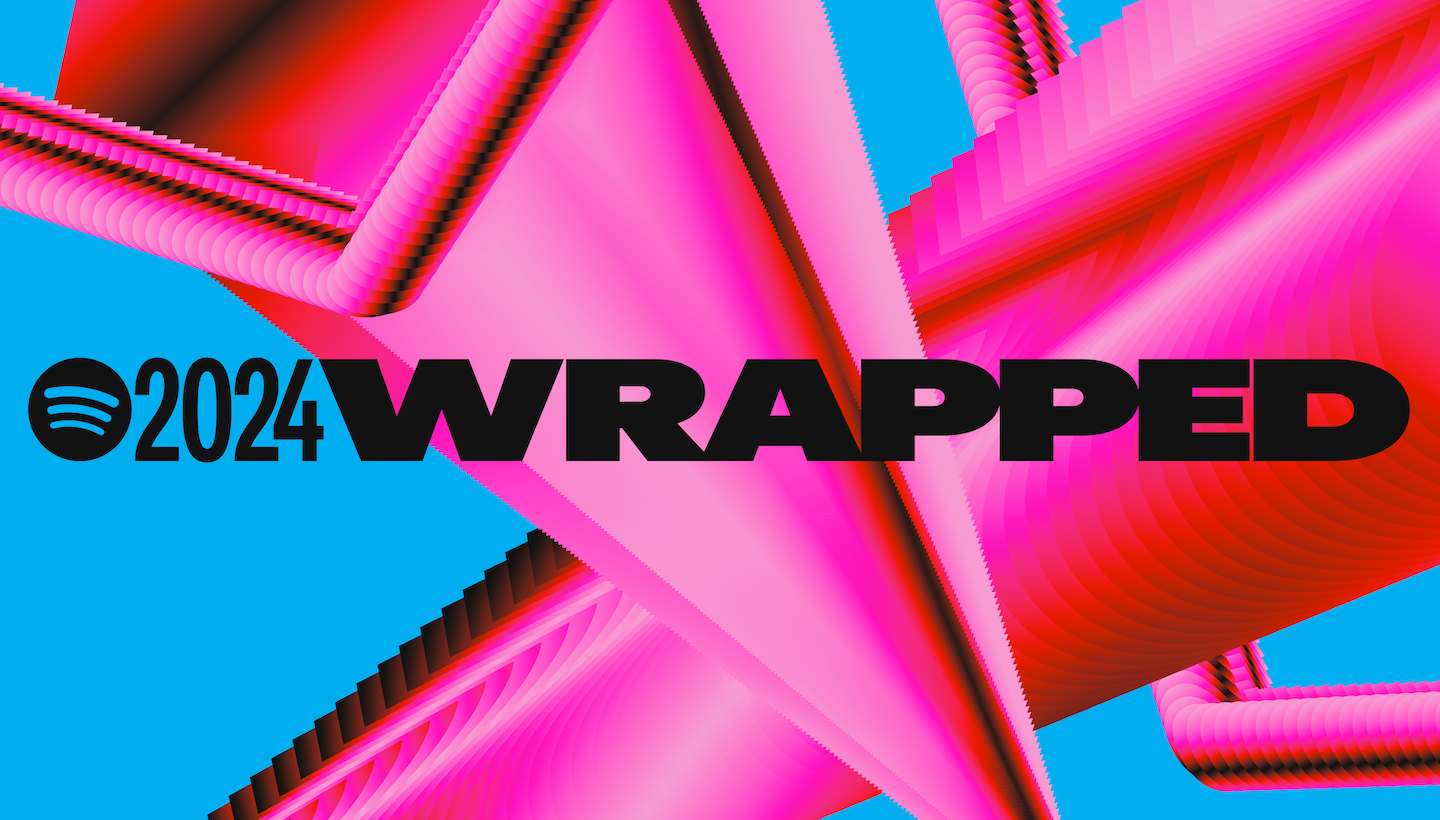
Every December, Spotify Wrapped hands each listener a personalized, share-ready summary of their year in music. The genius is that the content is about the user, so posting it becomes a personal status update the brand never has to ask for. Spotify supplies the template and hundreds of millions of listeners supply the reach, turning private listening data into the most anticipated social moment of the year for the platform. Competitors now copy the format every December, which is the clearest sign it worked.
Borrow this: give people data about themselves that they will want to show off.
2. CeraVe: Michael CeraVe
For three weeks before the 2024 Super Bowl, creators and paparazzi-style clips seeded a fake conspiracy that actor Michael Cera secretly founded CeraVe. Speculation snowballed until a Super Bowl spot revealed the joke and credited dermatologists, not the actor. It is a textbook seed-and-payoff structure: plant a question the internet cannot resist, let creators carry it, then resolve it on the biggest stage of the year. The three-week build is what separated this from a one-off ad, because the audience was already invested by kickoff.
The play to steal: build a mystery worth discussing, then resolve it where the whole room is watching.
3. Dollar Shave Club: Our Blades Are Great
In 2012, founder Michael Dubin delivered a deadpan 90-second pitch shot in a single day for about 4,500 dollars. The film was funny, direct, and unmistakably clear about the offer, and it treated the razor aisle as a joke everyone was in on. The video did the awareness and the conversion in one piece of content, sending customers straight to a subscription signup. It remains the reference every founder points to when they argue that voice beats budget.
The launch drove 12,000 orders in its first 48 hours, and Unilever acquired the company in 2016. Borrow this: a sharp voice and a clear offer beat a big production budget almost every time.
4. Dove: The Code
For the 20th anniversary of Real Beauty, Dove showed AI image generators producing distorted, idealized women, then pledged never to use AI to create or alter women’s images in its ads. The Code took a two-decade brand value and pinned it to the most current anxiety in culture, which is what gave a purpose campaign real news value. Because the message was tied to a live debate about AI and body image, press and creators amplified it far past the paid plan.
The lesson: connect a belief you already hold to the moment your audience is living through right now.
5. Nutter Butter: The Nutterverse
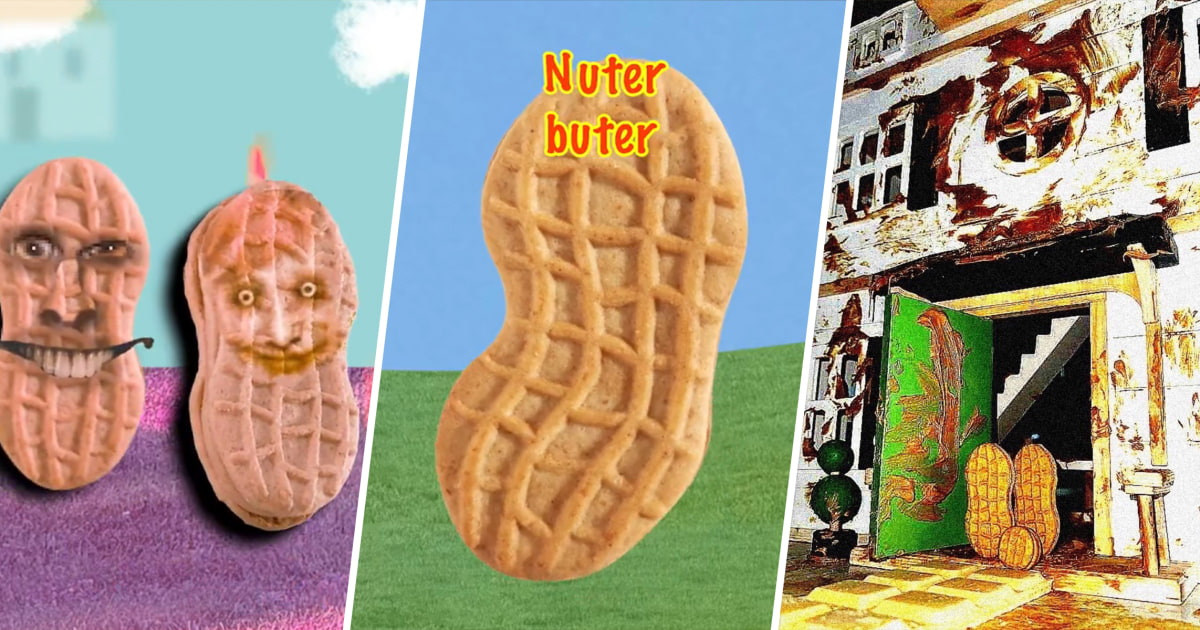
Nutter Butter turned its TikTok account into an unhinged, horror-adjacent storyline called the Nutterverse, then let fan theories in the comments steer where the plot went next. The account looks nothing like brand marketing, which is exactly why a younger audience adopted it and treated each post as a puzzle to decode. By handing the narrative to the audience, the brand got a stream of free ideas and a comment section that did the distribution. All of it ran on no paid media.
What to copy: hand the audience the pen and let their reactions write your next post.
6. Maybelline: Sky High CGI Lashes
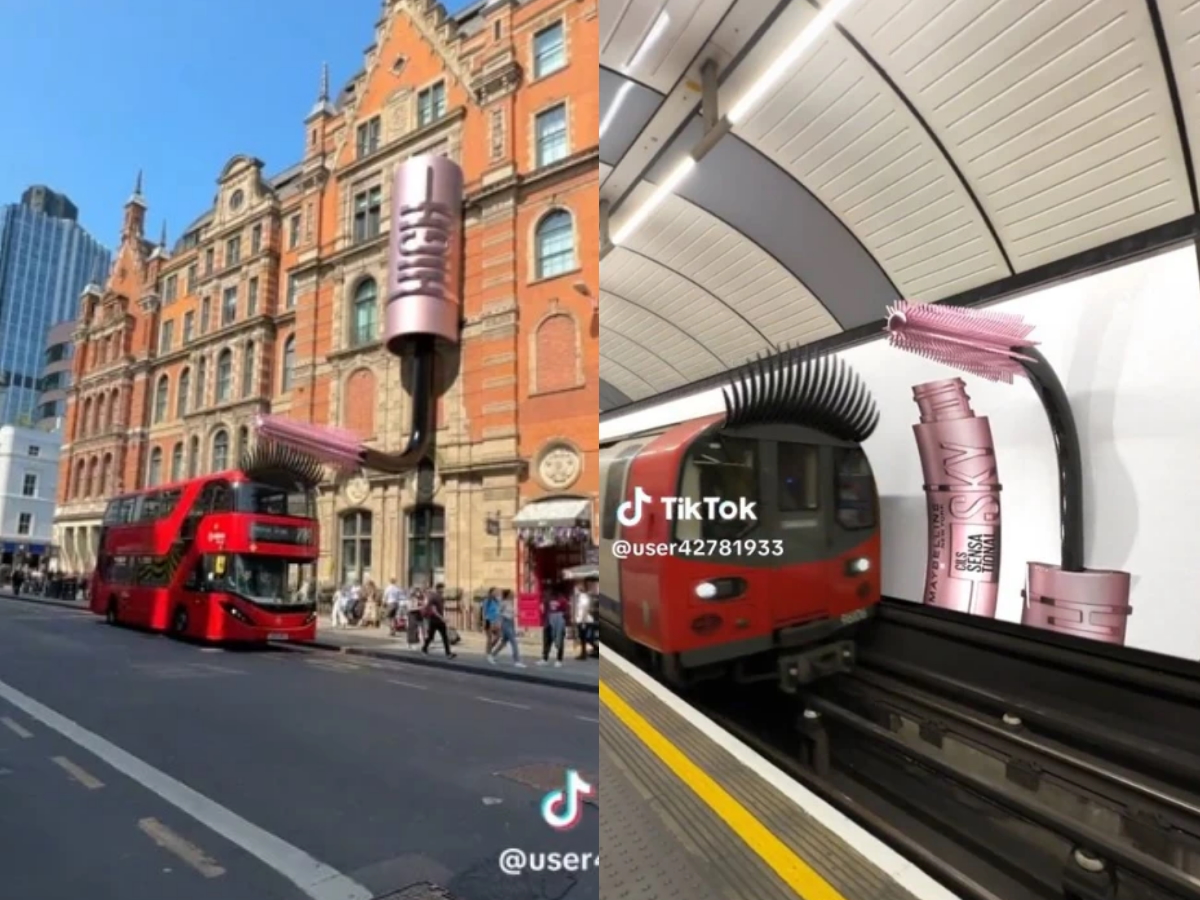
Maybelline released a hyper-real CGI clip of London Tube trains and buses wearing giant lashes, swept by a colossal Sky High mascara wand as they pulled in. The ambiguity over whether it was real drove the shares, and the clip launched the entire faux out-of-home, or FOOH, category that dozens of brands then copied within months. It cost a fraction of a physical stunt and reached far more people, which is why FOOH became the default trick of 2023.
What to copy: a single impossible image can define a format before your competitors understand it.
7. Duolingo: Death of Duo
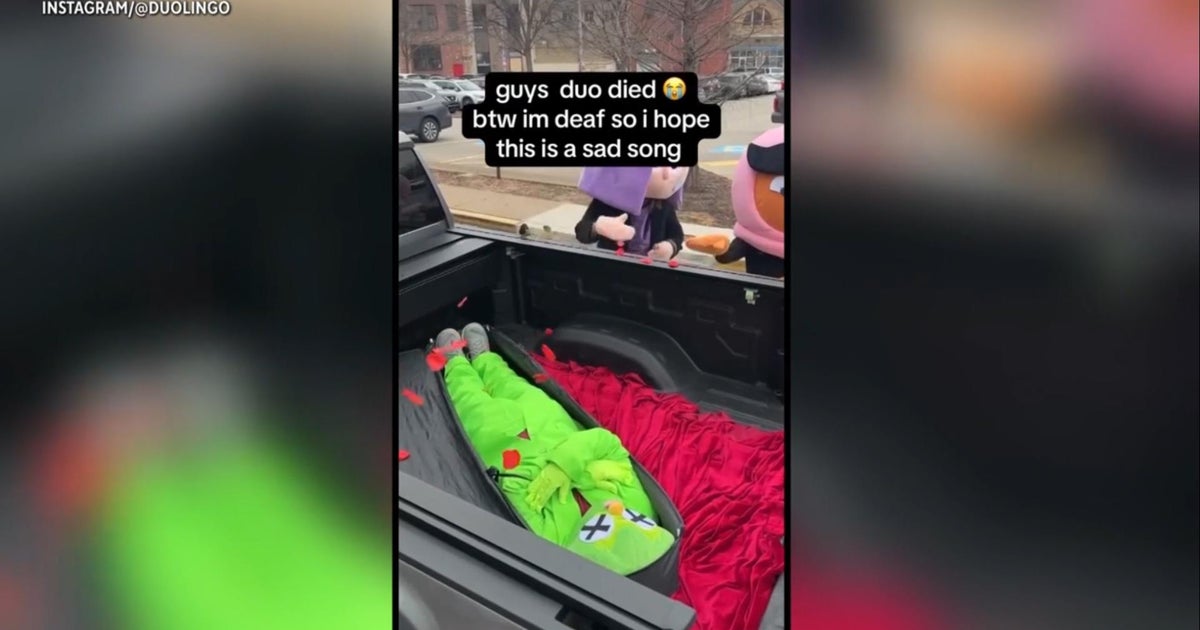
Duolingo gave its owl mascot a chaotic, flirty, slightly menacing personality and let it run wild on TikTok, culminating in a 2025 storyline that killed off and resurrected the character. The brand stopped teaching languages in its content and started making entertainment that happened to be about an app. Because Duo had a consistent point of view, the audience followed the character across every video, and the mascot did more brand-building than any product ad could. Rival apps now scramble to invent a personality of their own.
The takeaway: a mascot with a real point of view can become the content, so the audience follows the character.
8. Barbie: The Movie
The Barbie marketing machine claimed a single color and then appeared everywhere, from a bookable DreamHouse to more than 100 brand partnerships that painted the summer pink. The masterstroke was making the trend joinable: anyone could participate with a pink outfit or a selfie generator, so the audience became the media. By the premiere, the movie was less a film release than a season everyone was already inside of.
The film grossed 1.4 billion dollars worldwide, per Forbes. Steal this: own one ownable asset, a color or a phrase, then let the whole culture play with it.
9. Stanley Quencher
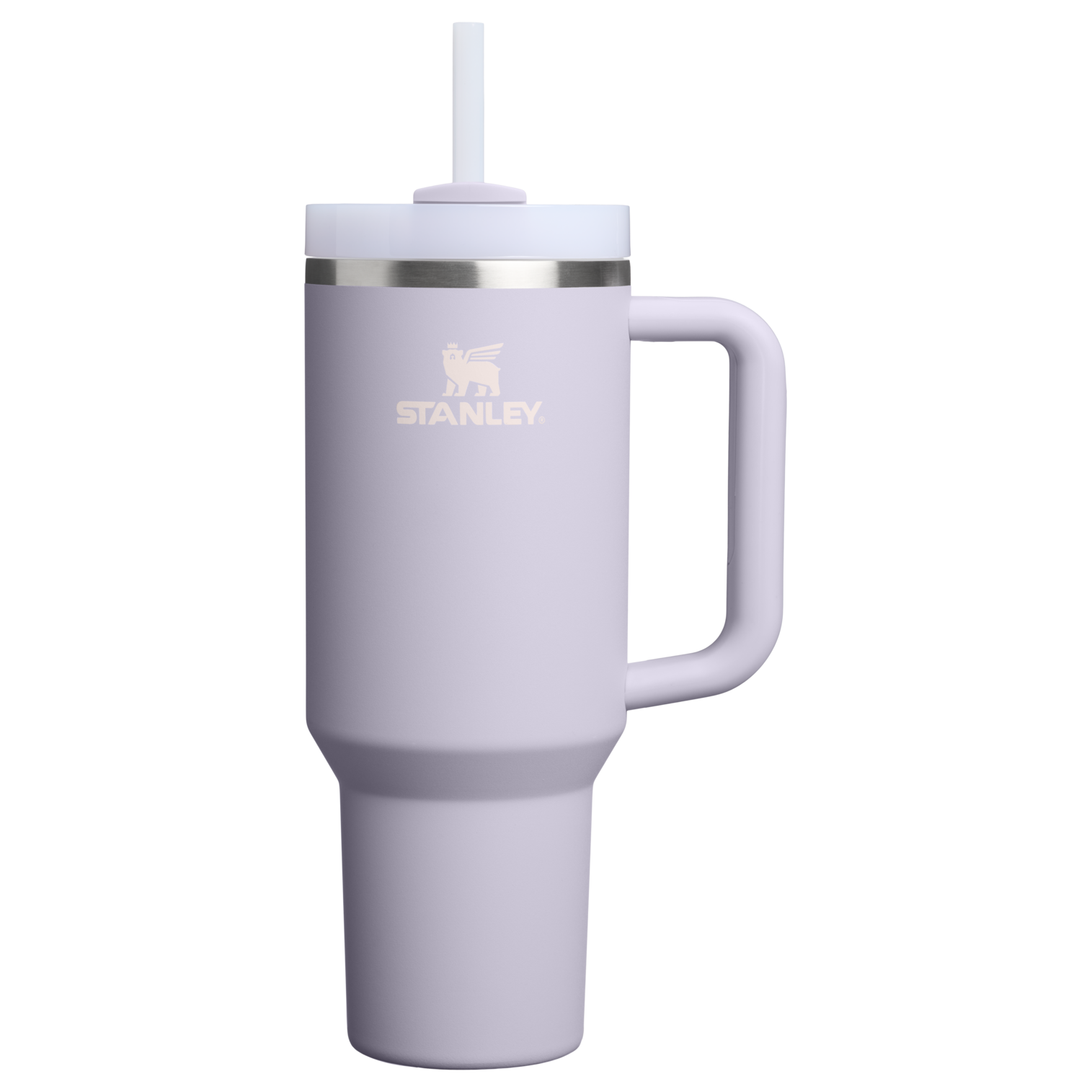
Stanley took a 100-year-old thermos brand, aimed the Quencher tumbler at a creator-driven female audience, and released it in limited color drops that fueled scarcity and collecting. The company leaned into user videos of full carts and empty shelves, letting fear of missing out do the advertising. What had been a rugged outdoors product became a fashion accessory people lined up for, and the revenue curve followed the hype.
The revenue jump is documented by CNBC. Steal this: community and scarcity can revive a product the market had written off decades ago.
10. Pop-Tarts: The Edible Mascot
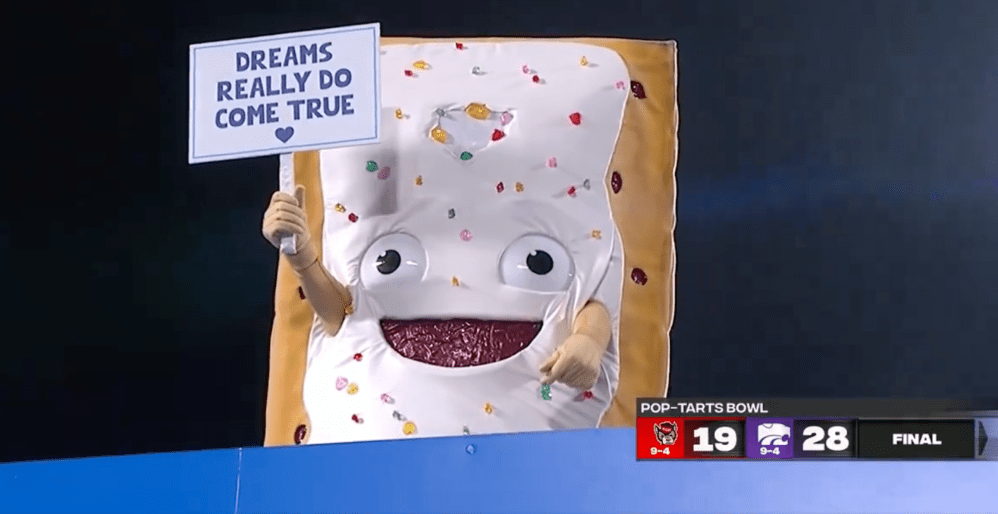
At its college football bowl game, Pop-Tarts lowered a life-sized edible mascot into a giant toaster and let the winning team eat it on live television. Every beat of the stunt was engineered to be clipped and shared, from the mascot’s cheerful final sign to the players tearing into it. The absurdity was the point, and it dominated the conversation around the game while barely touching a paid budget.
The move to copy: design a physical moment for the sole purpose of becoming an internet-native clip.
11. Burger King: Whopper Detour
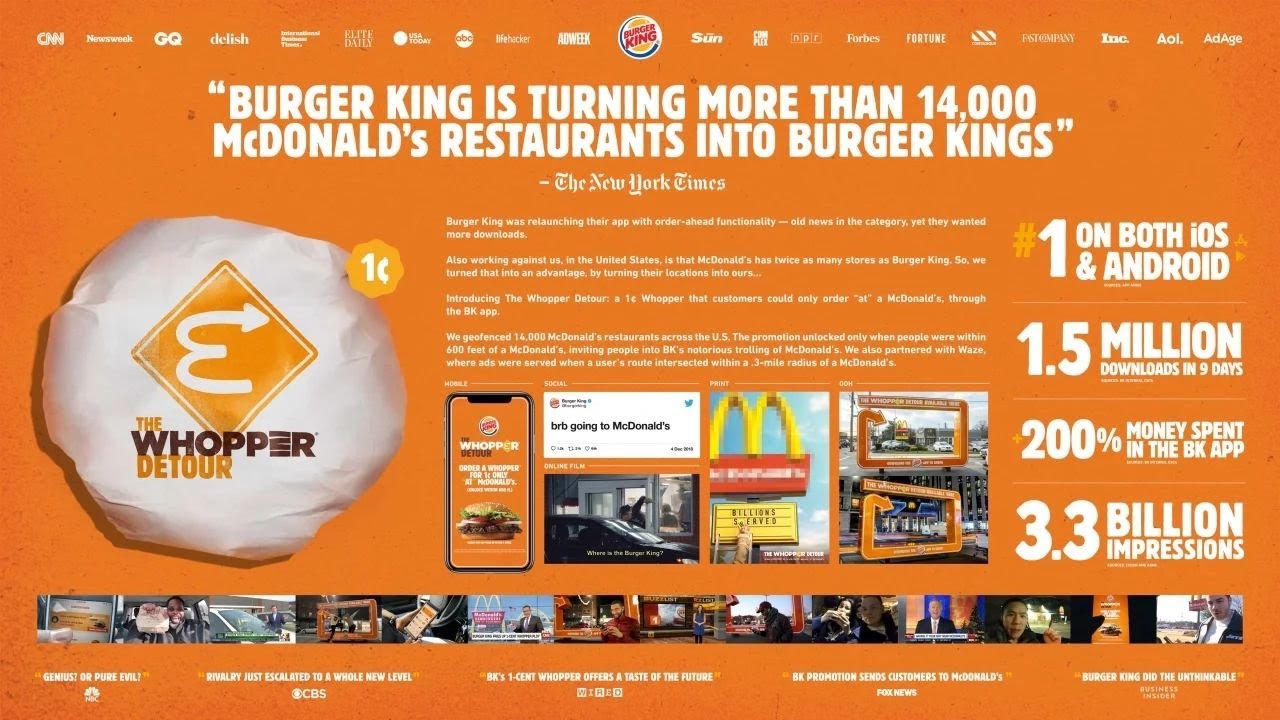
Burger King offered a Whopper for one cent, but only if you placed the order in the app while standing within 600 feet of a McDonald’s. The Whopper Detour weaponized a competitor’s locations to drive app installs, and the cheeky trolling gave every order a reason to be posted. A tired objective, app downloads, became a game people wanted to play and brag about, and the app shot to the top of the charts, pulling in a reported 1.5 million downloads in nine days.
Borrow this: turn an ordinary action into a game with a rule that only your brand could set.
12. Heinz: A.I. Ketchup
Heinz asked image-generating AI to draw “ketchup” and the models kept returning bottles that looked unmistakably like Heinz. The brand turned that quirk into A.I. Ketchup, then invited fans to submit their own AI prompts, so the audience kept proving the point for them. It was a cheap, timely idea that let a neutral machine make the brand’s argument, which read as far more credible than a brand saying it about itself.
What to borrow: when an outside system validates your brand for free, build the campaign around letting people see it happen.
13. Liquid Death
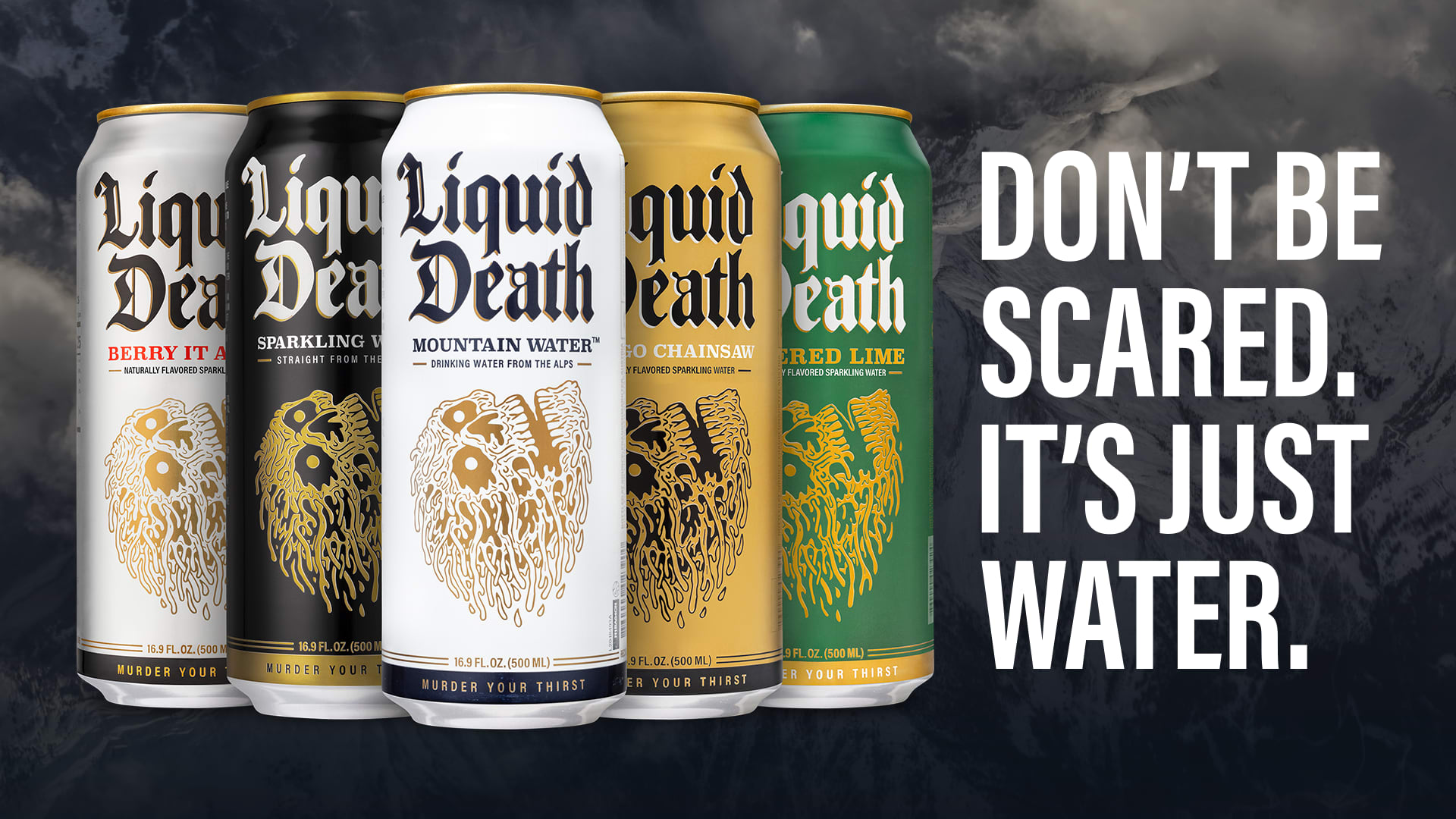
Liquid Death sells canned water with heavy-metal, horror-comedy branding and a relentless stream of platform-native stunts, almost entirely without traditional media. The brand behaves like an entertainment company that happens to sell a drink, so the content does the selling and the fans do the sharing. By making a commodity genuinely funny to follow, it turned water into a lifestyle brand with a devoted audience.
What to borrow: a strong point of view can make a commodity product genuinely fun to follow.
14. Airbnb: Made Possible by Hosts
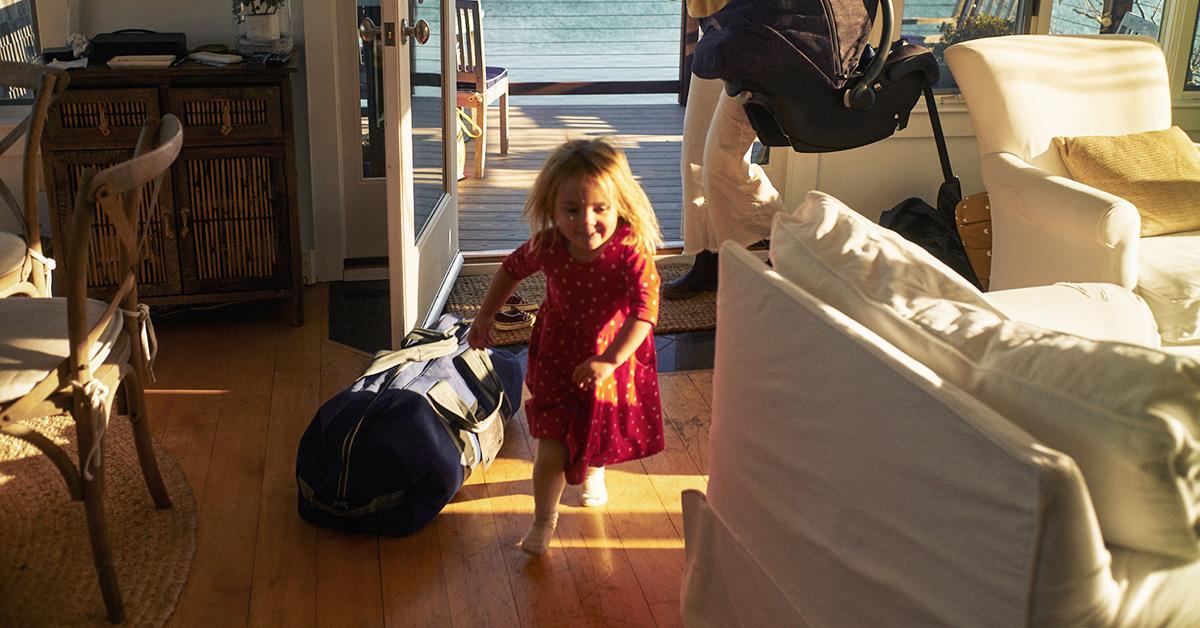
As travel reopened, Airbnb built Made possible by Hosts from real photos guests had taken in real homes, a warm and low-cost counter to glossy stock imagery. The campaign reminded people what they had missed about travel and pointed them straight back to booking, using the company’s own customers as the creative. It was a rare case of a brand rebuilding demand by simply showing the product in real life.
The takeaway: your customers’ authentic moments often out-perform anything a studio can produce.
15. Ryanair on TikTok
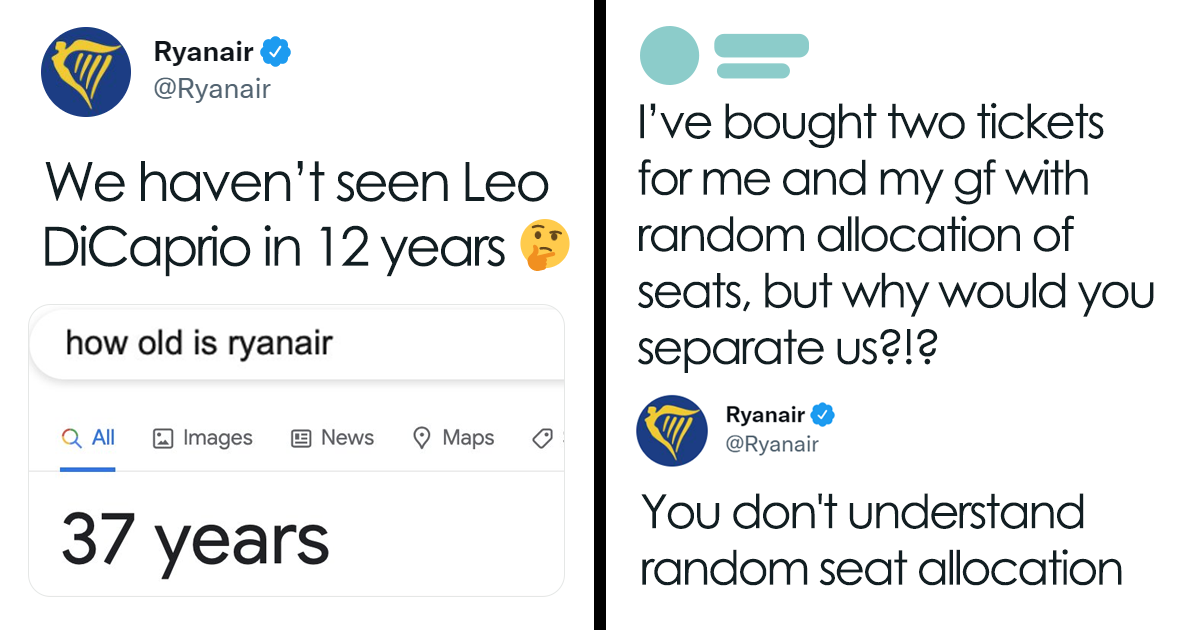
Ryanair leaned all the way into its budget reputation, using a low-fi meme voice and trending audio to roast its own product and its passengers’ complaints. A weakness became a personality, and the account grew into one of the most-followed in the airline category. Instead of defending its no-frills service, the brand made a running joke of it, which disarmed critics and won a young audience that expects brands to be in on the joke.
The takeaway: self-deprecation is a fast way for a legacy brand to earn attention from a skeptical young audience.
16. Airbnb x Barbie Malibu DreamHouse

Airbnb turned the Barbie tie-in into a real, bookable, life-sized pink DreamHouse in Malibu, complete with a disco floor and ocean views. The listing generated a wave of earned press because it moved the movie’s world off the screen and into a place people could actually stand in. A single physical experience produced weeks of coverage and social content, all pointing back to both brands.
Steal this: convert intellectual property into a physical experience and the coverage follows on its own.
17. Sephora Virtual Artist
Sephora’s Virtual Artist let shoppers try makeup shades through augmented reality before buying, removing the biggest friction in online beauty. It was a campaign built on pure utility, and it doubled as content people shared when they saw their own face transformed in seconds. By solving a real problem, the tool earned repeat use and word of mouth that a traditional ad never would have.
Steal this: sometimes the strongest marketing is a tool that quietly removes a reason not to buy.
18. Chase: BizMobile
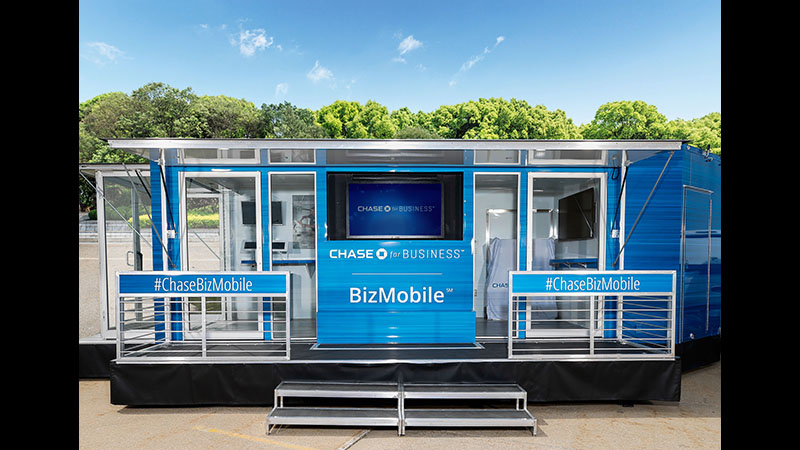
Chase took small-business banking on the road with the BizMobile, a traveling pop-up that brought advisors and services directly into local communities. It grounded a national brand in physical, face-to-face moments that were easy to document and share, and it gave social content a real place and real people instead of a studio set. Bringing the service to the customer turned a routine banking message into a local event worth covering.
Chase for Business is a Zen Media client. See how we supported the brand’s small-business marketing in the Chase for Business case study.
The lesson: bring the service to where the customer already is instead of waiting for them to come to you.
19. Slack: Product-Led Word of Mouth
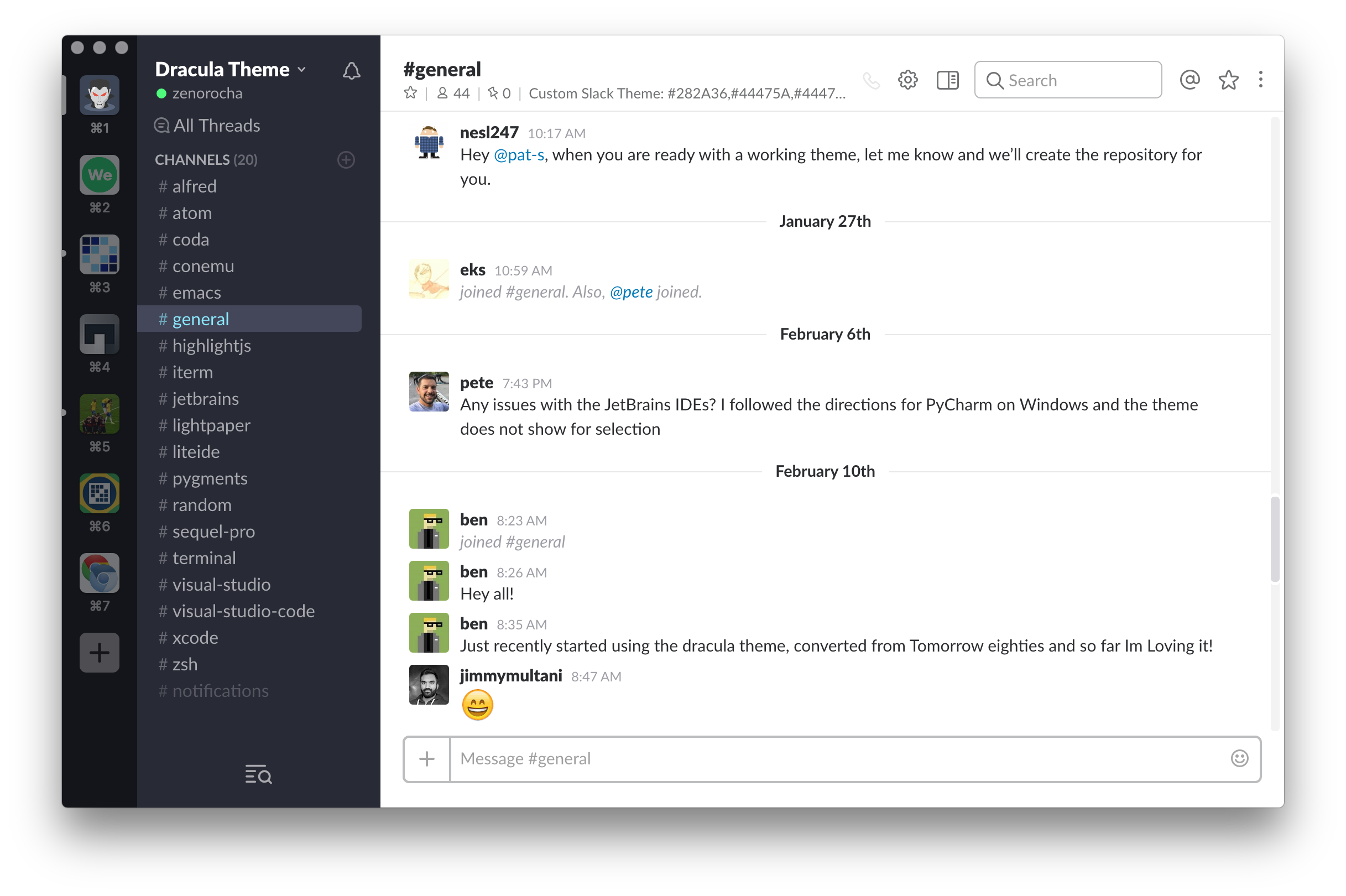
Slack grew from zero to a public company largely by making the product the marketing. One team adopted it, invited another, and the tool spread across companies before a sales rep ever called. The campaign work amplified a loop the product had already created, celebrating real teams and their real usage. Growth compounded because every new user was also a new recommender.
The move to copy: when the experience is good enough to recommend, marketing widens the word of mouth the product already earns.
20. Gillette: The Best Men Can Be
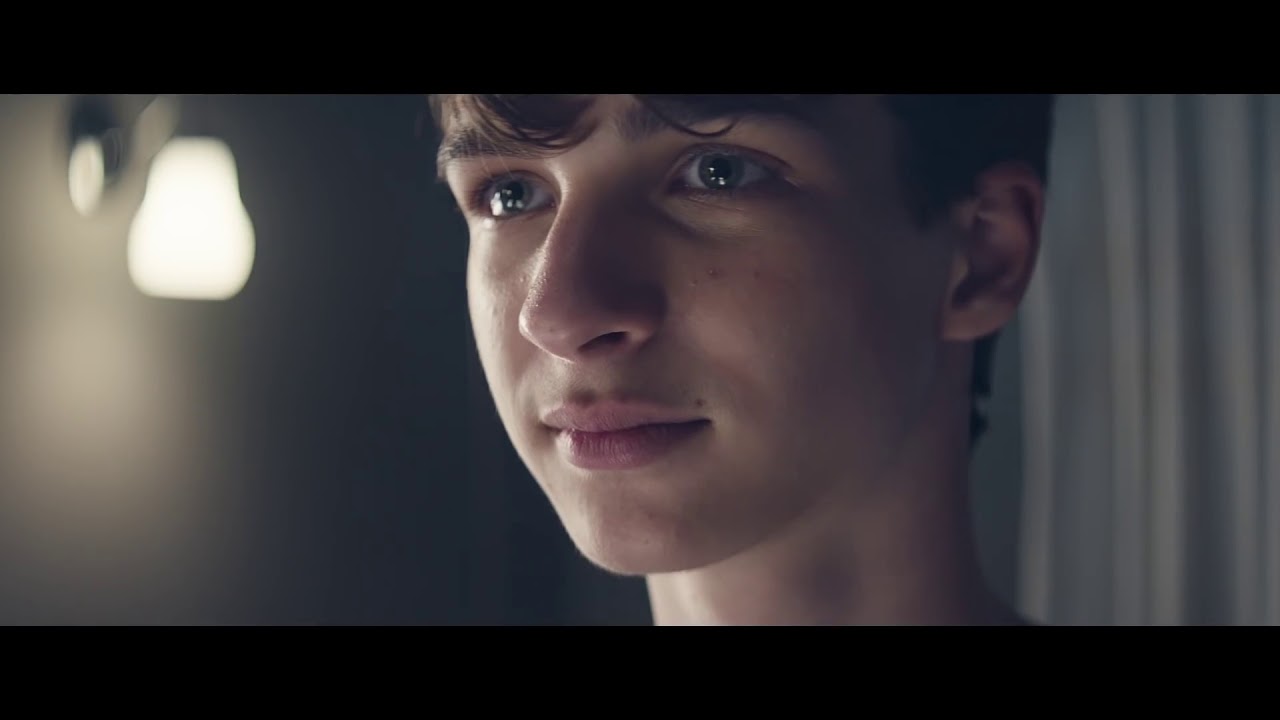
Gillette reworked its decades-old “The Best a Man Can Get” line into a values-driven film about better behavior. The spot was divisive and drew heavy debate, which carried it far beyond a normal media buy while also drawing real backlash from part of its base. It is the clearest reminder on this list that a stance is a double-edged sword: it earns enormous reach and it costs you the people who disagree.
The takeaway: a genuine stance travels fast, so take one only when the brand is ready to stand behind the argument it starts.
21. Jacquemus: Giant Bags in Paris
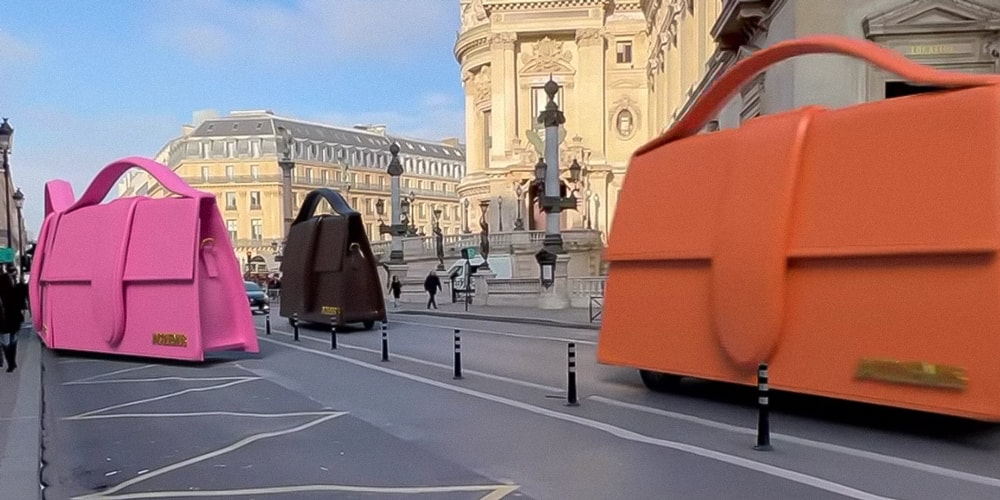
Jacquemus posted an eight-second CGI clip of oversized Bambino handbags rolling through Paris like buses, and the “is it real” debate did the rest. It was one of the first CGI stunts to fully break out, proving a luxury brand could win the feed with a single surreal image instead of a full campaign. The clip cost almost nothing to distribute and sent brand searches spiking overnight.
What to copy: one surreal, unmistakably branded image can outperform a full production if it makes people stop and question what they saw.
22. Dippin’ Dots: The Open Letter
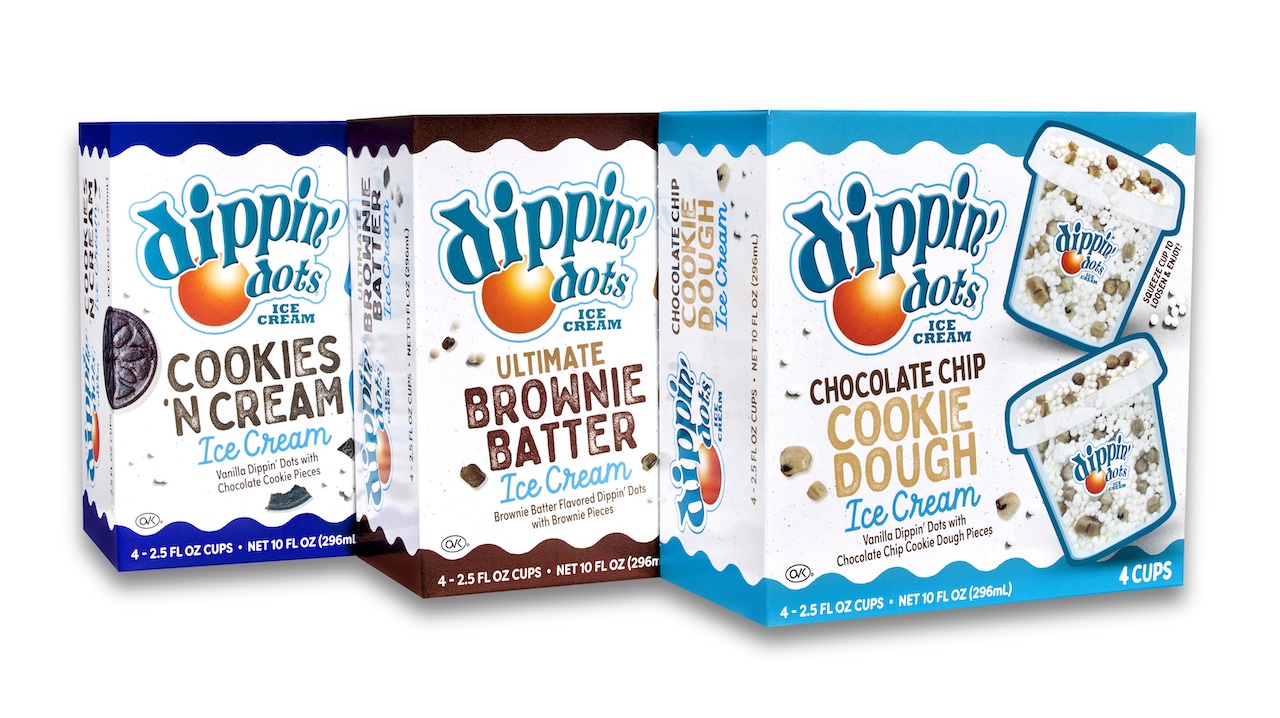
When years-old critical tweets about the brand resurfaced in the news, Dippin’ Dots answered with a playful, confident open letter and a public reconciliation offer, then pushed it across social at the peak of the cycle. The tone did the work: instead of going defensive, the brand turned an attack into a moment fans wanted to root for. It is one of the strongest crisis-to-opportunity plays in our library, and it is a Zen Media client campaign.
The play to steal: playful confidence under fire can turn an attack into earned reach.
23. Aeroflow Breastpumps: Event Activation
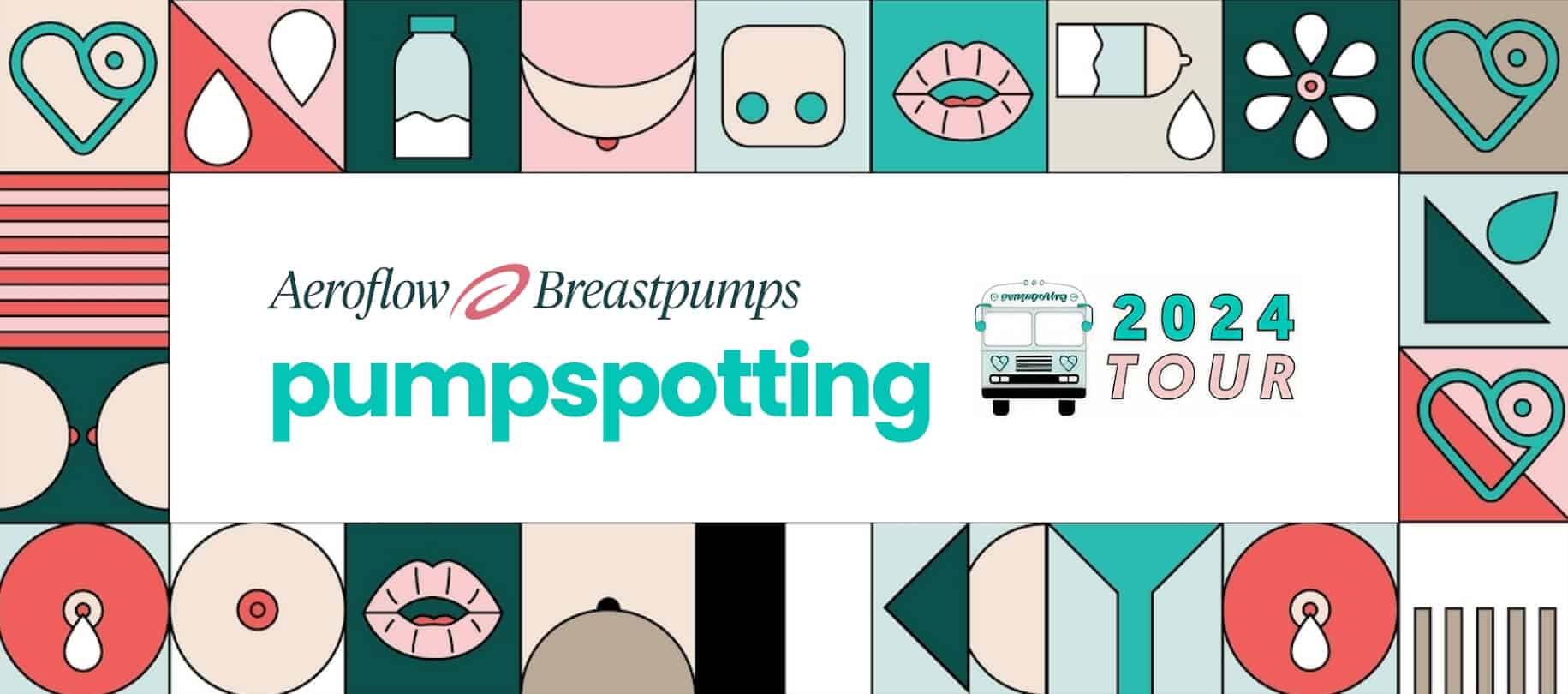
Aeroflow reached expectant parents at the point of discovery with a multi-channel activation: trimester-specific newsletters, live event presence, real-time Instagram Stories and Reels, and on-site parent interviews. The campaign converted awareness into customer relationships instead of stopping at impressions, meeting parents in the exact window when they are choosing brands. It is a Zen Media client program, and the conversion numbers are the reason it earns a place here.
The lesson: showing up where a decision is being made converts better than broad awareness that reaches no one at the right moment.
What the Best Marketing Campaigns Have in Common
Across 23 campaigns, twelve years, and every budget level, four traits repeat. None of them require a huge media spend, which is why a 4,500-dollar video and a billion-dollar movie can both make the same list.
That earned-media layer is the hardest to manufacture and the most valuable to hold, which is exactly the discipline behind a strong B2B PR strategy. For campaigns built specifically to win coverage, our roundup of PR campaigns that earned real coverage shows the same principle applied to earned media alone.
How to Build Your Own Digital Marketing Campaign
You do not need a Super Bowl budget to apply what these campaigns did. Can you name, right now, the single number your next campaign has to move? That discipline, more than budget, is what separates work that lands from work that just looks busy. Work through these six steps in order.
How to Measure a Social Media Campaign
Social media campaigns are measured on a different scale from search or email, because their job is to spread. Track three layers so the story is complete: reach, engagement, and outcome. Reach and impressions tell you how far the work traveled. Engagement, meaning shares, saves, comments, and creator duets, tells you whether it resonated enough for someone to act. Outcome, meaning followers gained, site visits, signups, or revenue, tells you whether any of it mattered to the business. A campaign that wins the first two layers and moves nothing in the third is entertainment, so always tie the social metrics back to a named result, the way our client work reports new-customer acquisition and brand-mention lift alongside the views.
Frequently Asked Questions
What makes a digital marketing campaign successful?
A successful digital marketing campaign gives the audience something to do, then measures what that participation produced. The strongest ones pair a single clear idea with a platform-native format, an emotional or useful hook, and a result the team can measure. Participation, earned sharing, and a lift in a named business metric separate a great campaign from a well-produced ad.
What is the difference between a digital marketing campaign and a social media campaign?
A digital marketing campaign runs across any online channel, including search, email, display, video, and social. A social media campaign is the subset that lives on social platforms and depends on the behavior of those platforms: shares, comments, duets, and creator participation. Every social media campaign is a digital campaign, but a digital campaign can run entirely off social through email or paid search.
What are the best social media campaigns of all time?
Among the best social media campaigns are Spotify Wrapped, Duolingo on TikTok, Nutter Butter’s Nutterverse, the CeraVe Super Bowl stunt, and Ryanair’s self-deprecating account. Each turned a platform behavior into the campaign itself, using personalized data, creator culture, or audience co-creation to earn reach that paid media could not buy.
What are some examples of digital marketing campaigns?
Examples of digital marketing campaigns include Dollar Shave Club’s launch video, Burger King’s Whopper Detour app promotion, Heinz A.I. Ketchup, Dove’s The Code, and Airbnb’s Made possible by Hosts. They span video, geolocation, artificial intelligence, purpose messaging, and user-generated content, which shows how wide the format can be while still driving a measurable outcome.
How do you measure a marketing campaign’s ROI?
Measure campaign ROI by tying spend to a named outcome, then dividing the value that outcome created by the total cost. Track reach and engagement as leading indicators, but judge the campaign on conversions, revenue, new customers, or earned media value. Set the target metric before launch so the number you report is the number you promised, not the easiest one to find afterward.
How much does a digital marketing campaign cost?
A digital marketing campaign can cost anywhere from a few thousand dollars to several million, and cost rarely predicts impact. Dollar Shave Club shot its breakout film for about 4,500 dollars, and Nutter Butter earned billions of impressions with zero media spend. Budget sets the ceiling on production and paid reach, but the idea and the platform fit decide whether a campaign travels.
Build a Campaign Worth Studying
The campaigns on this list look effortless from the outside and took real strategy underneath. If you want that kind of earned reach for your brand, Zen Media builds digital and social campaigns designed to be shared, cited, and remembered. Talk to our team about the idea you have been sitting on.
How These Campaigns Show Up in AI Answers
There is a newer reason these campaigns matter beyond the marketing lesson. When someone asks ChatGPT, Perplexity, or Google’s AI Overviews for the best or most famous marketing campaigns, the answer is assembled from the coverage each campaign earned in the press and from creators. The paid ad itself barely factors in. The campaigns with the most earned media and the clearest documented results are the ones the models cite, which means a well-covered campaign keeps working long after the flight ends. Making a brand legible to those systems is its own discipline, and our guide to answer engine optimization covers how to earn that visibility on purpose.
About the author: Sarah Evans is Partner and Head of PR at Zen Media, a global B2B PR and marketing agency. With 23+ years in communications, she architects PR strategy, drives earned media initiatives, and helps brands navigate AI-driven visibility. She is a regular contributor to Entrepreneur and has been recognized as a top writer on business and tech.